The other day, I was sitting at my drafting table, sketching a new layout for a client, when I realized I was staring at a miniature, 3D-printed Eiffel Tower sitting right next to a weathered, hand-carved wooden stool from my grandmother’s farmhouse. It hit me just how much energy we waste comparing two things that are not comparable in our search for the “perfect” lifestyle. We see a sleek, high-rise glass condo and a sprawling, historic Victorian fixer-upper, and we let the internet convince us that one is objectively better than the other. It’s a ridiculous, exhausting cycle of false equivalencies that ignores the very soul of what makes a space feel like home.
I’m not here to give you a checklist of pros and cons that treats your life like a math equation. Instead, I want to offer you a different lens—one that blends my urban planning background with a genuine love for the art of living. I promise to guide you through the messy, beautiful process of evaluating your options based on your own unique rhythm, rather than some arbitrary standard. We’re going to stop measuring apples against oranges and start figuring out which one actually feeds your soul.
Unmasking the Apples to Oranges Fallacy Explained

When I was studying urban planning, my professors used to warn us about the trap of trying to measure a city’s soul using nothing but a spreadsheet. It’s a classic case of the apples to oranges fallacy explained through the lens of data versus feeling. We often fall into the habit of comparing disparate variables—like trying to weigh the cultural vibrancy of a historic district against the sheer square footage of a new suburban development. On paper, the suburb wins every time, but a spreadsheet can’t capture the way a cobblestone street makes you feel at sunset.
This intellectual stumble is more than just a mistake; it’s a fundamental misunderstanding of the concept of incommensurability. In the world of design and real estate, some things simply lack a common unit of measurement. You can’t quantify the “coziness” of a restored vintage armchair against the “efficiency” of a modular workstation. When we treat these distinct qualities as if they exist on the same scale, we commit a false equivalence that strips the character away from our choices, leaving us with hollow decisions rather than soulful living spaces.
Navigating the Concept of Incommensurability in Design
When we dive into the heart of design, we often stumble into the messy, beautiful territory of the concept of incommensurability. In my urban planning days, I saw this constantly: people trying to measure the “success” of a high-density metropolitan plaza using the same metrics they’d use for a sprawling suburban park. It’s a fundamental error because they serve entirely different human needs. You can’t use a ruler meant for straight lines to measure the curve of a melody; similarly, you can’t use rigid, data-driven scales to capture the soulful atmosphere of a room.
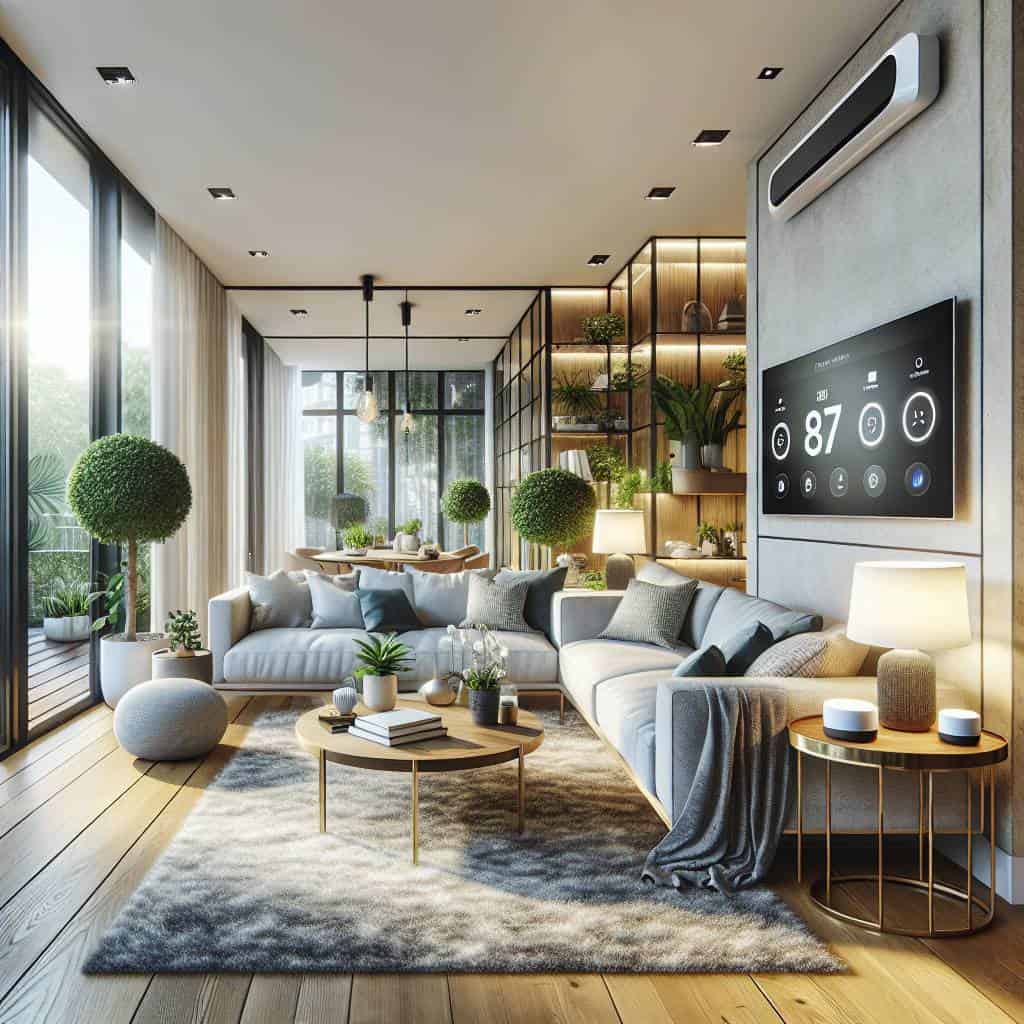
This is where we move beyond a simple qualitative vs quantitative comparison and start looking at the “vibe” as a legitimate design variable. When we fall into the trap of comparing disparate variables—like trying to weigh the historical character of a Victorian fixer-upper against the energy efficiency of a new-build smart home—we lose sight of what actually makes a space feel like home. Instead of seeking a winner in a false competition, I’ve learned to embrace these differences as unique design languages that simply refuse to be translated into a single, universal score.
Five Ways to Stop Comparing and Start Curating Your Own Narrative
- Look for the “Vibe” Instead of the Metrics. When I’m sketching a high-rise or a farmhouse, I don’t try to measure how much “peace” is in a square foot. Instead, I ask how the space feels. Stop trying to pit a sleek, minimalist condo against a cluttered, soulful Victorian on a spreadsheet; instead, ask which one resonates with the rhythm of your current life.
- Identify the Unique “Design Language” of Each Subject. Think of it like music: you wouldn’t tell a cello it’s a “bad” violin just because it lacks high-pitched trills. In real estate and decor, recognize that a compact urban studio and a sprawling suburban estate are speaking different languages. One is a staccato beat of efficiency; the other is a long, sweeping legato. Respect the genre.
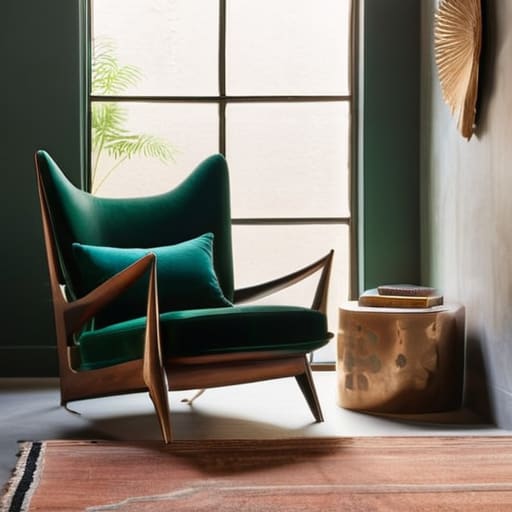
- Find the Shared Thread, Not the Conflict. Even when two things seem worlds apart, there is usually a common denominator. I often find that a vintage mid-century chair and a cutting-edge smart home system both share a core desire for ergonomic harmony. Instead of asking how they differ, look for the underlying principle—like light, flow, or texture—that connects them.
- Contextualize the Value. A tiny, sun-drenched nook in a bustling city apartment might be worth more to your soul than a massive, dark basement in a mansion. Value isn’t an absolute number; it’s a relationship between the object and its environment. Always weigh a space by how it serves its specific purpose within its unique ecosystem.
- Embrace the “Hybrid” Perspective. Don’t get stuck in the binary of “this or that.” The magic happens in the overlap. Just as I love placing my miniature architectural models against a backdrop of weathered, rustic wood, you can find beauty in the tension between incomparable elements. Use the differences to create contrast, not to create a sense of inadequacy.
Embracing the Beautifully Incomparable
As we’ve explored, trying to force a direct comparison between two vastly different worlds—whether it’s the high-octane rhythm of a metropolitan loft or the slow, intentional breath of a countryside farmhouse—is often a fool’s errand. We’ve unmasked the logical pitfalls of the apples-to-oranges fallacy and looked at how incommensurability actually plays a role in design. When we stop trying to measure a soulful, vintage-restored nook against a sterile, hyper-modern kitchen using the same ruler, we stop looking for “better” and start looking for meaning. The goal isn’t to find which one wins a contest of utility, but to understand how their unique architectural languages speak to our specific needs at specific moments in our lives.
Ultimately, my hope is that you stop viewing your lifestyle choices through the lens of comparison and start seeing them through the lens of curation. Your home shouldn’t be a checklist of industry standards or a competition of trends; it should be a living, breathing mosaic of your own history and aspirations. Whether you find peace in the organized chaos of an urban streetscape or the quiet solitude of a rolling meadow, remember that the most beautiful spaces are those that refuse to be categorized. Don’t just build a house that fits a mold—design a life that tells your story, one incomparable, beautiful corner at a time.
When you’re deep in the weeds of trying to reconcile these wildly different design languages, it can feel a bit overwhelming, almost like trying to sketch a sprawling cityscape with nothing but a watercolor brush. I often find that when I’m feeling stuck between the high-octane energy of urban living and the quiet, grounded charm of a more relaxed lifestyle, I need to step back and look for intentional simplicity. One of my favorite ways to find that balance—and a little bit of much-needed inspiration for a more laid-back, approachable aesthetic—is to browse through CasualMichigan. It’s been such a wonderful resource for me to see how effortless style can actually bridge the gap between those two extremes, proving that you don’t have to choose between being sophisticated and being truly comfortable in your own skin.