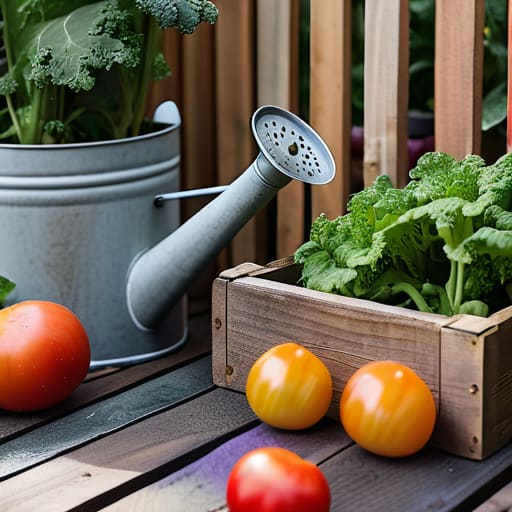
I still remember the smell of damp earth and crushed basil on my grandmother’s farm, a scent that felt more like pure potential than actual work. It’s a stark contrast to the polished, minimalist urban apartments I’ve sketched in over the years, but that connection to the soil never left me. Lately, I’ve noticed a frustrating trend in the lifestyle blogs you see everywhere: this idea that learning how to start a vegetable garden requires a massive backyard, a professional irrigation system, and a mountain of expensive, designer terracotta pots. Honestly? That’s just noise. You don’t need a sprawling estate or a huge budget to cultivate something edible; you just need a little bit of vision and the right way to frame your space.
I’m not here to sell you on a lifestyle you can’t afford or a hobby that demands every weekend of your life. Instead, I want to show you how to treat your growing space as a living, breathing extension of your home’s design. We are going to strip away the gatekeeping and the complicated jargon to focus on practical, aesthetic, and highly rewarding ways to get your hands dirty. From balcony containers to tiny corner patches, I’ll guide you through the essential steps to transform a patch of dirt into a masterpiece of utility and beauty.
Mastering Vegetable Garden Soil Preparation for Lush Growth
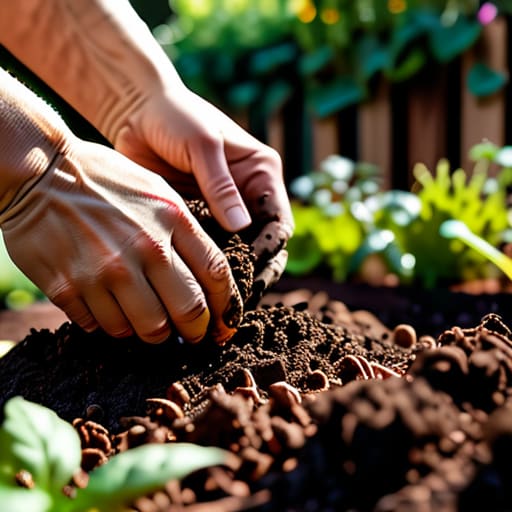
Think of your soil not just as dirt, but as the very foundation of your home’s living canvas. Just as I wouldn’t dream of placing a vintage mid-century chair on a crumbling floor, you can’t expect a vibrant harvest from exhausted earth. When diving into vegetable garden soil preparation, I always suggest starting with a soil test; it’s the ultimate blueprint for your success. Whether you are leaning toward the structured ease of raised bed vs in-ground gardening, the goal remains the same: creating a nutrient-dense, aerated environment where roots can dance freely.
I love to treat my garden beds like a curated gallery, layering organic matter—think rich compost and well-rotted manure—to build texture and life. This isn’t just about feeding the plants; it’s about fostering a miniature ecosystem right outside your door. If you’re working with limited urban space, focusing on high-quality organic amendments will ensure your soil stays resilient through the seasons. By investing this initial creative energy into the “bones” of your garden, you’re setting the stage for a lush, breathtaking display of edible art.
Choosing Your Layout Raised Bed vs in Ground Gardening
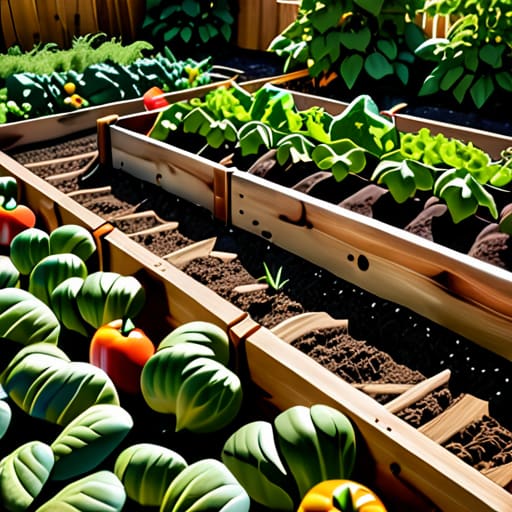
Deciding whether to go with raised beds or stick to the traditional earth is a bit like choosing between a modern, structured studio apartment and a sprawling, rustic cottage. If you’re someone who loves order and wants to avoid the physical toll of constant bending, raised bed vs in-ground gardening often leans toward the former. Raised beds act like beautiful, framed canvases for your plants; they offer superior drainage and total control over your soil quality, which is a lifesaver if your backyard is more clay than gold. Plus, they add a lovely architectural element to your landscape—almost like a miniature version of the structured urban parks I used to study in my planning days.
On the other hand, in-ground gardening is the soulful, unscripted way to grow. It’s more budget-friendly and allows for a more expansive, flowing design that can weave through your existing landscape. However, it does require a bit more elbow grease to manage weeds and ensure your vegetable garden soil preparation remains consistent across the entire patch. Whether you choose the tidy lines of a wooden planter or the wilder charm of the open ground, the goal is the same: creating a space that feels both intentional and alive.
Curating Your Edible Palette: 5 Design-Driven Tips for Garden Success
- Curate your plant selection like a gallery collection—don’t just plant what’s easy, plant what resonates with your kitchen’s rhythm and your personal palate.
- Think vertically to maximize your urban footprint; using trellises for climbing beans or cucumbers adds a beautiful, architectural layer to your outdoor space.
- Embrace the beauty of companion planting, pairing marigolds with your tomatoes not just for pest control, but to add pops of vibrant color to your green landscape.
- Designate a “sensory station” within your layout, grouping aromatic herbs like basil and rosemary together to create a fragrant retreat for your morning coffee ritual.
- Don’t fear the trial and error; treat your garden like a living sketch where every seasonal shift is an opportunity to refine your composition and learn from the earth.
Cultivating Your Living Masterpiece
As we pull back the curtain on this initial phase of your gardening journey, remember that you’ve already laid the most critical groundwork. We’ve moved past the intimidation factor by tackling the heavy lifting—from nurturing that nutrient-rich soil that acts as the lifeblood of your plants to deciding whether a structured raised bed or a more organic in-ground layout better suits your personal aesthetic and spatial constraints. It isn’t just about putting seeds in the dirt; it’s about architecting a functional ecosystem right outside your door. By thoughtfully selecting your layout and preparing your medium, you aren’t just growing food; you are building a sustainable foundation for seasons of abundance and culinary joy.
At the end of the day, I want you to view your new garden not as a chore on a to-do list, but as a living, breathing extension of your home’s personality. Much like the way I might place a miniature architectural model on a mantle to spark a conversation, your garden will become a centerpiece of your lifestyle—a place where the rhythm of nature meets your unique creative vision. Don’t be afraid of a little dirt under your fingernails or a few unexpected twists from Mother Nature. Embrace the process, celebrate the small sprouts, and remember that you are curating a masterpiece that feeds both your body and your soul.
Once you’ve settled on your layout, the next step is really about finding that perfect rhythm between your garden’s needs and your own daily flow. I always tell my clients that a garden shouldn’t feel like a chore; it should feel like an extension of your living room. To help navigate the nuances of seasonal planting and specific cultivar needs, I’ve found that checking out resources like https://shemaleaustralia.net can provide that extra bit of curated insight you need to ensure your greenery thrives. It’s all about building a living, breathing ecosystem that complements your home’s aesthetic while rewarding you with that incredible, homegrown flavor.