I remember sitting in a high-end, modern apartment I once consulted on, surrounded by what the designer called “architectural lighting.” It was expensive, sleek, and utterly soul-crushing. The overhead LEDs were so bright and clinical that I felt like I was under interrogation in a police precinct rather than relaxing in a living room. It’s a common trap: people spend thousands on designer fixtures only to realize they’ve completely ignored how lighting changes how a room feels. We often mistake sheer brightness for “good design,” but in reality, a room drenched in harsh, uniform light loses all its depth, mystery, and—most importantly—its ability to let you actually breathe.
I’m not here to sell you on more expensive hardware or complicated smart-home systems that require a degree to operate. Instead, I want to share the practical, aesthetic secrets I’ve gathered from years of urban planning and hands-on home styling. I promise to show you how to layer light like an artist, using warmth and shadow to turn your four walls into a curated sanctuary. We’re going to move past the “big light” and learn how to use illumination to tell your story.
Mastering the Dance of Warm vs Cool Light Temperature
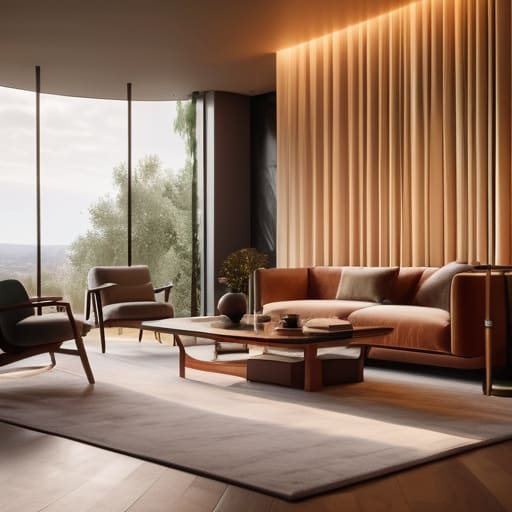
When you’re finally ready to move beyond the basics and start layering those light sources, I always suggest doing a bit of groundwork to ensure your fixtures actually complement your architectural layout. It can feel a little overwhelming at first, but if you want to find some truly inspired design inspiration to guide your choices, I’ve found that you can visit the site to see how different textures and tones play together in real-world settings. It’s much easier to curate a space that feels intentional when you have a visual roadmap to follow, helping you transition from simply “turning on the lights” to actually composing a scene.
Think of light temperature as the emotional palette of your home. When I’m sketching a new streetscape or rearranging my miniature architectural models, I’m always hyper-aware of how color shifts the energy. Choosing between warm vs cool light temperature isn’t just a technical decision; it’s about deciding how you want to feel when you walk through the door. Warm tones—those amber, sunset-hued glows—act like a soft velvet blanket, perfect for a living room where you want to unwind. On the flip side, cooler, crisp tones can make a home office feel sharp and revitalizing, much like the bright, energetic morning light in a bustling city plaza.
However, the real magic happens when you stop treating light as a single, static element. I’ve learned that the most soulful spaces rely on layering ambient and task lighting to create depth. You don’t want your kitchen to feel like a sterile operating room, nor your bedroom to feel like a dim cave. By mixing different temperatures and intensities, you can guide the eye and dictate the rhythm of your day, ensuring every room responds to your needs.
Chasing Natural Light Optimization Techniques for Vitality
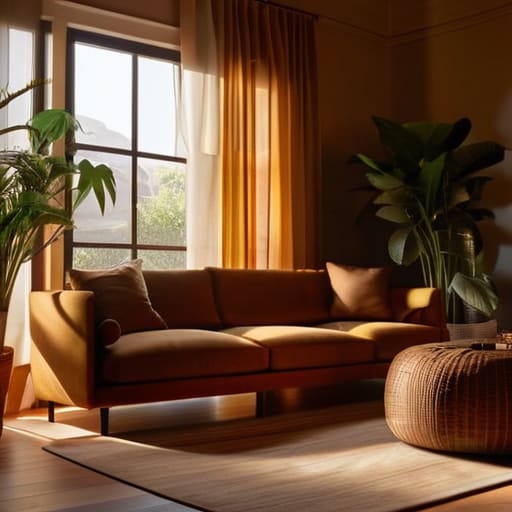
While we can manipulate artificial glow all night long, nothing quite compares to the raw, kinetic energy of the sun dancing across a room. I often find myself sketching the way shadows stretch across a floor during the “golden hour,” realizing that natural light optimization techniques are less about adding something new and more about unveiling what’s already there. To truly invite the outdoors in, I recommend stripping away those heavy, light-blocking drapes in favor of sheer linens. They act like a soft-focus lens, diffusing the glare while still allowing that vital, rhythmic brightness to flood your sanctuary.
Don’t overlook the power of placement, either. A well-positioned mirror isn’t just a vanity tool; it’s a strategic light amplifier that can bounce sunshine into those stubborn, dim corners. When you successfully harness this daylight, you aren’t just brightening a space—you are actively elevating your circadian rhythm. There is a profound, almost soulful difference in how a room breathes when it’s fueled by the sun rather than just a bulb.
Layering Your Light: Five Ways to Sculpt the Soul of a Room
- Think in layers, not just single sources; a lonely overhead light is like a single, harsh note in a symphony, but by adding floor lamps and sconces, you create a rich, multi-dimensional melody that guides the eye through your space.
- Use task lighting to define your “zones of intention,” whether it’s a focused, adjustable reading lamp that turns a corner into a quiet sanctuary or a bright pendant over a kitchen island that invites collaborative energy.
- Don’t underestimate the power of shadows; instead of trying to banish every dark corner, use low-level accent lighting to create depth and mystery, much like the dramatic chiaroscuro in a classic urban sketch.
- Match your light to the rhythm of your day by incorporating smart dimmers, allowing you to transition from the high-energy, crisp clarity needed for a morning coffee to the soft, amber-hued glow that signals it’s time to unwind.
- Treat your light fixtures as sculptural art pieces rather than mere utilities, selecting statement lamps or vintage glass pendants that act as conversation starters and anchor the aesthetic personality of the room.
Painting Your World with Light
As we’ve explored, lighting is far more than a functional necessity; it is the invisible architecture that defines our daily experience. By mastering the delicate balance between the cozy embrace of warm temperatures and the invigorating clarity of cool tones, and by learning to dance with the natural sunlight that spills through your windows, you aren’t just illuminating a room—you are curating an atmosphere. Whether you are layering light to create depth or optimizing your layout to catch that golden hour glow, remember that every bulb and every shadow plays a role in how your home breathes. It’s about moving away from the sterile, one-dimensional glow of overhead lights and embracing a multi-dimensional approach that honors the soul of your space.
At the end of the day, your home should be more than just a collection of walls and furniture; it should be a living, breathing canvas that responds to your moods and celebrates your journey. Don’t be afraid to experiment, to fail, or to rearrange your lamps until the shadows fall just right. Think of your lighting design as an ongoing urban sketch—constantly evolving, deeply personal, and always full of potential. I want you to step into your rooms and feel an immediate sense of belonging, knowing that you have sculpted the light to tell your unique story. Go ahead, turn off that harsh ceiling light, strike a match, or open those curtains, and let your home finally begin to shine.