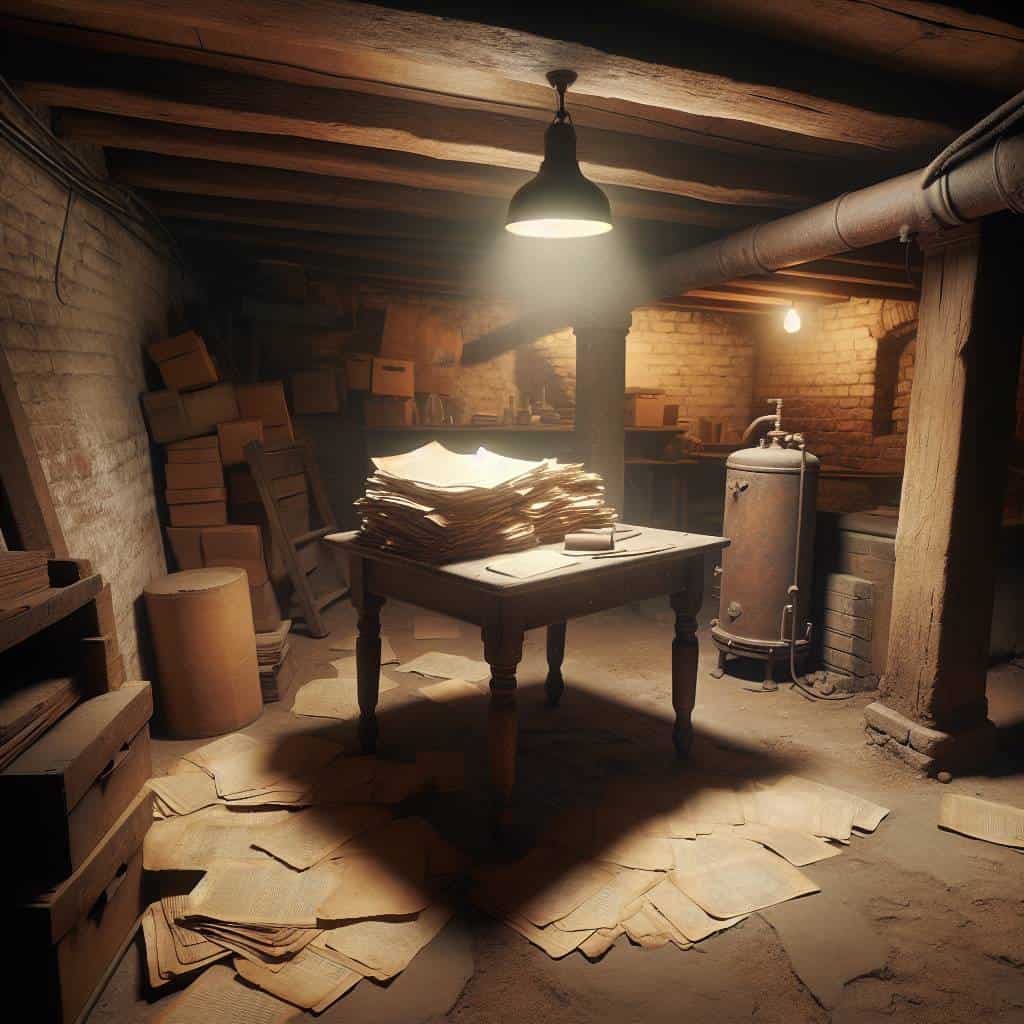
I once found myself standing in the dim, musty basement of a property that had been described as having “character.” The seller proudly handed me the property disclosure statement like it was a golden ticket. Spoiler alert: it wasn’t. The document read like a horror anthology—cracks in the foundation, a roof that doubled as a sieve during rainstorms, and enough mold to start its own ecosystem. I couldn’t help but think, are these statements just a seller’s way of passing off a haunted house as a charming fixer-upper? It was a grim reminder that even in the concrete jungle, transparency is as rare as a quiet subway car at rush hour.
In this article, we’re diving headfirst into the murky waters of property disclosure statements. Think of it as your guide to navigating the fine print and spotting the red flags before you sign on the dotted line. We’ll dissect what sellers are legally obligated to disclose, and what they might conveniently “forget” to mention. You’ll walk away knowing exactly what defects to look for, and how to read between the lines of these seemingly innocuous documents. Because let’s face it, forewarned is forearmed when you’re dealing with the real estate jungle.
Table of Contents
The Day I Discovered The Seller’s Dirty Little Secrets
It was a dreary Tuesday afternoon when I found myself elbow-deep in a heap of paperwork, the kind that clutters an urban planner’s desk more thoroughly than any city map. I was sifting through the maze of a property disclosure statement, that charming little document that promises to reveal everything and nothing about a home you’re about to sink your life savings into. You know the drill: this is supposed to be your crystal ball, your peek behind the curtain at a property’s past sins. But let’s be real. It’s more like a seller’s confession booth, where they whisper their dirty little secrets, hoping you’re too distracted by the curb appeal to notice.
So there I was, pen in hand, eyes narrowed, dissecting a seller’s carefully curated list of “known defects.” And what did I find? The usual suspects: a leaky roof here, some questionable plumbing there. But it was the omissions that really caught my eye. The things they didn’t say, the stories between the lines. Like that time I noticed a suspiciously vague mention of “minor water intrusion” in the basement. Translation? The place probably doubles as a swimming pool come heavy rain. This is the art of reading between the lines, folks. It’s not just about what they say—it’s about what they’re hoping you won’t see. In a world where glittering skyscrapers rise against the smog-filled sky, sometimes the most important architecture is the one you build from truth and skepticism.
Peeling Back the Wallpaper
Property disclosure statements are the seller’s whispered confession: ‘Here’s what you’re really getting into, if you dare to look.’
Peeling Back the Layers of Real Estate Reality
Wading through the murky waters of property disclosure statements has taught me one thing: sellers are like magicians pulling rabbits out of hats, except these rabbits are more like gremlins. The trick is knowing where to look, having the persistence to dig past the surface, and understanding that ‘known defects’ are just the beginning of a story that could unravel in a hundred different ways. It’s a dance of shadows and light, where each line item is a breadcrumb leading you either to a treasure or a trap.
In my journey, I’ve learned that these statements are less about what’s explicitly written and more about reading between the lines. They’re a lens into the seller’s psyche, a map of what they’re willing to reveal—and what they’re hoping you’ll overlook. So, next time you find yourself staring down one of these documents, remember: it’s not just about the skeletons they’re confessing to; it’s about the ones they might be glossing over. Armed with skepticism and a keen eye, we can navigate these paper jungles and emerge with our sanity—and wallets—intact.