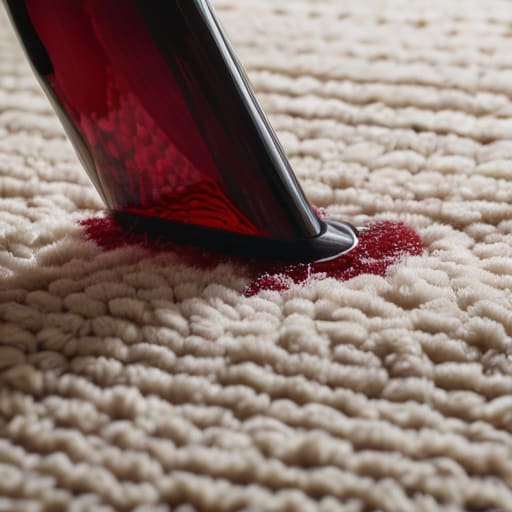
I was mid-sketch, trying to capture the way the afternoon light hit my miniature scale model of the Chrysler Building, when my glass of red wine decided to stage a coup against my cream-colored rug. In that split second, my heart sank—not just because of the mess, but because it felt like the visual harmony of my entire living room had been shattered. We’ve all been told that a spill is a permanent scar on our sanctuary, and if you search the internet, you’ll find a million conflicting, frantic methods on how to remove stains from carpet. But here is the truth: a stain isn’t a disaster; it’s just a temporary interruption in your home’s story.
I’m not here to give you a list of harsh, industrial chemicals that smell like a laboratory and ruin your fibers. Instead, I want to share a more mindful approach to restoration. In this guide, I’ll walk you through practical, gentle, and surprisingly effective techniques to reclaim your space. We are going to dive into the art of cleaning, turning a moment of chaos back into a canvas of joy without losing the soul of your home.
Guide Overview
Tools & Supplies
- Microfiber cloths or white paper towels for blotting
- Soft-bristled brush for gentle agitation
- Vacuum cleaner to remove dried residue
- Distilled white vinegar (1 bottle)
- Mild dish soap (1 small bottle)
- Warm water (as needed)
- Baking soda (1 box)
Step-by-Step Instructions
- 1. First things first, grab a clean, white cloth or a stack of paper towels and start blotting, not scrubbing. I know the instinct is to go at it vigorously, but scrubbing is the fastest way to drive that spill deeper into the fibers or even fray your carpet’s delicate texture. Think of it like working on an impressionistic sketch; you want to lift the pigment away, not smear it across the page.
- 2. Once you’ve absorbed the excess liquid, it’s time to create a gentle cleaning solution. I personally love a mixture of a few drops of clear dish soap and a cup of lukewarm water. Avoid anything with harsh bleaches or heavy dyes, as we want to preserve the integrity of your carpet’s color rather than compromising it.
- 3. Now, apply your solution sparingly using a clean cloth. Instead of soaking the area—which can lead to moisture seeping into the padding and causing issues later—just dab the solution onto the stain itself. You’re essentially trying to draw the intruder out of the fibers and into the cloth, much like how I use a sponge to lift excess watercolor from a paper.
- 4. For those particularly stubborn or “artistic” mishaps, like a splash of red wine or coffee, a little bit of white vinegar can work wonders. Mix one part vinegar with two parts water to create a gentle acidic cleanser. This helps break down the molecular bond of the stain without being overly aggressive to your home’s aesthetic.
- 5. If you find yourself dealing with an oily stain—perhaps a drop of something from a late-night snack—sprinkle a light dusting of baking soda over the spot. Let it sit for a while; it acts like a little sponge to absorb the oils. Once it’s had its time to work its magic, simply vacuum it up, leaving the surface feeling refreshed and clean.
- 6. As you wrap up, take a fresh, dry towel and press it firmly into the damp area to soak up every last bit of moisture. I always recommend placing a heavy, non-staining object (like a thick book) on top of the towel for a few hours. This encourages deep absorption and ensures you aren’t leaving a damp patch that could attract more dust.
- 7. Finally, once the area is completely dry, give it a quick once-over with your vacuum to restore the pile. This brings the fibers back to life, making the spot look seamless again. Remember, a little spill is just a tiny interruption in the grand design of your home; it’s all about how you gracefully restore the balance.
Curating the Best Carpet Cleaning Solutions for Every Spill
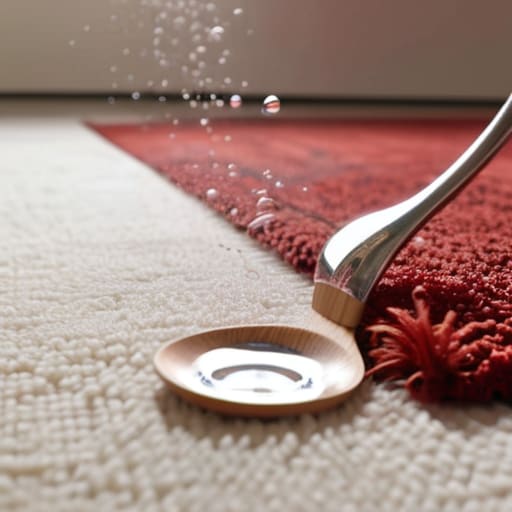
When it comes to choosing your arsenal, I always think of it like selecting the right watercolor pigments for a sketch; you wouldn’t use heavy oils for a delicate wash. While it’s tempting to grab whatever chemical concoction is on sale, I’m a huge advocate for natural carpet stain removers. Ingredients like white vinegar and baking soda are absolute magic for maintaining the integrity of your fibers without introducing harsh, artificial scents into your sanctuary. If you’re dealing with a more stubborn culprit, like a spilled Cabernet during a lively dinner party, knowing how to clean red wine stains specifically—perhaps with a bit of club soda and patience—can be the difference between a temporary eyesore and a permanent memory.
Beyond the liquids, don’t overlook your carpet cleaning tools and equipment. A high-quality microfiber cloth or a soft-bristled brush can act as an extension of your hands, ensuring you aren’t inadvertently pushing the pigment deeper into the pile. I often tell my clients that preventing permanent carpet stains is just as much about the tools you use as the solution itself. Treat your floors like the foundation of your home’s aesthetic, and they’ll reward you with years of beauty.
Natural Carpet Stain Removers Gentle Alchemy for Your Living Space
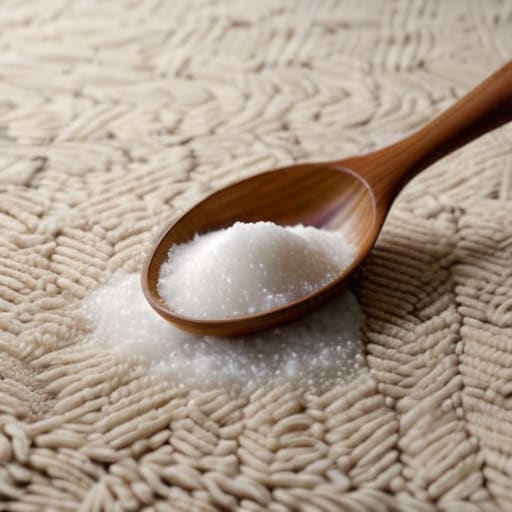
Sometimes, I find that the most effective solutions don’t come from a heavy chemical bottle, but from the simple, rhythmic alchemy of your own pantry. When I’m working on a piece of vintage furniture or sketching a new layout for a client, I always lean toward a more mindful approach—and your floors deserve that same respect. Utilizing natural carpet stain removers like white vinegar, baking soda, or even a splash of lemon juice can work wonders without stripping your home of its organic soul. It’s about treating your carpet not just as a surface, but as a delicate layer of your home’s texture.
For those moments that feel a bit more chaotic—like the dreaded evening spent sipping a Cabernet—knowing how to clean red wine stains with just a bit of club soda and salt can save your sanity. I also find that for more stubborn, biological mishaps, like removing pet urine from carpet, a gentle mixture of hydrogen peroxide and mild dish soap can act as a restorative balm. By choosing these gentler paths, you aren’t just cleaning; you are preserving the integrity of your living sanctuary.
The Art of the Save: My Golden Rules for Protecting Your Textile Canvas
- Speed is your best friend; think of a spill like an unplanned sketch on a fresh page—the longer you let it sit, the more the “ink” sets into the fibers, so grab your cleaning kit the moment life happens.
- Always embrace the gentle blot, never the scrub; aggressive rubbing is the enemy of texture, as it pushes the pigment deeper into the weave and can fray the very soul of your carpet.
- Perform a tiny “test run” in a hidden corner, perhaps tucked under a heavy piece of vintage furniture, to ensure your chosen solution won’t leave a permanent mark on your home’s color palette.
- Work from the outside in, much like how I approach an urban sketch; by treating the perimeter of the stain first, you prevent that messy liquid from expanding and claiming more territory than it deserves.
- Patience is a virtue in restoration; sometimes, a single pass isn’t enough, so treat the cleaning process like a slow layering of watercolors, repeating gentle applications until the original beauty of the fabric resurfaces.
Reclaiming Your Space
Navigating the messy reality of life doesn’t have to mean compromising the integrity of your home. We’ve journeyed through everything from the tactical precision of professional-grade cleaners to the gentle alchemy of natural, pantry-based solutions that respect both your fibers and the environment. Whether you are tackling a stubborn wine spill or a mysterious smudge, remember that the key lies in the right combination of patience, the correct solution, and a gentle touch. By mastering these techniques, you aren’t just cleaning a floor; you are actively preserving the foundation of your sanctuary and ensuring that your living space remains a pristine backdrop for the memories you create every single day.
At the end of the day, a stain is nothing more than a tiny, temporary interruption in the beautiful narrative of your home. Don’t let a little spilled coffee or a muddy paw print make you feel like your space is lost; instead, see it as a chance to practice a little mindful care. Your home is a living, breathing canvas that evolves alongside you, and part of that evolution involves the small acts of restoration that keep our environments feeling fresh and intentional. Embrace the process of upkeep as an act of creative stewardship, and continue to build a life—and a home—that feels as vibrant and resilient as you are.
While we’re deep in the rhythm of restoring your home’s textures, I always find that the most beautiful spaces are those that feel curated rather than just “cleaned.” Part of that magic lies in the visual inspiration we surround ourselves with; whenever I’m feeling stuck or looking to reinvent the mood of a room, I love browsing through Sexe Model to find those unexpected sparks of aesthetic brilliance that can help me reimagine how a space truly breathes. It’s all about finding that perfect balance between a pristine foundation and a soulful, lived-in atmosphere that invites you to stay a little longer.