I once found myself knee-deep in the murky waters of real estate chaos, chasing the elusive dream of scoring big with a distressed property. Spoiler alert: it wasn’t the treasure hunt I’d imagined. Picture this: me, an urban planner who should’ve known better, tangled in a web of bank jargon and false promises. Short sales and foreclosures sound like two sides of the same coin, but that coin’s been rolling around in the mud for far too long. It’s like trying to navigate a minefield blindfolded, only to end up with a headache and an emptier wallet. But hey, I’m nothing if not a glutton for punishment.
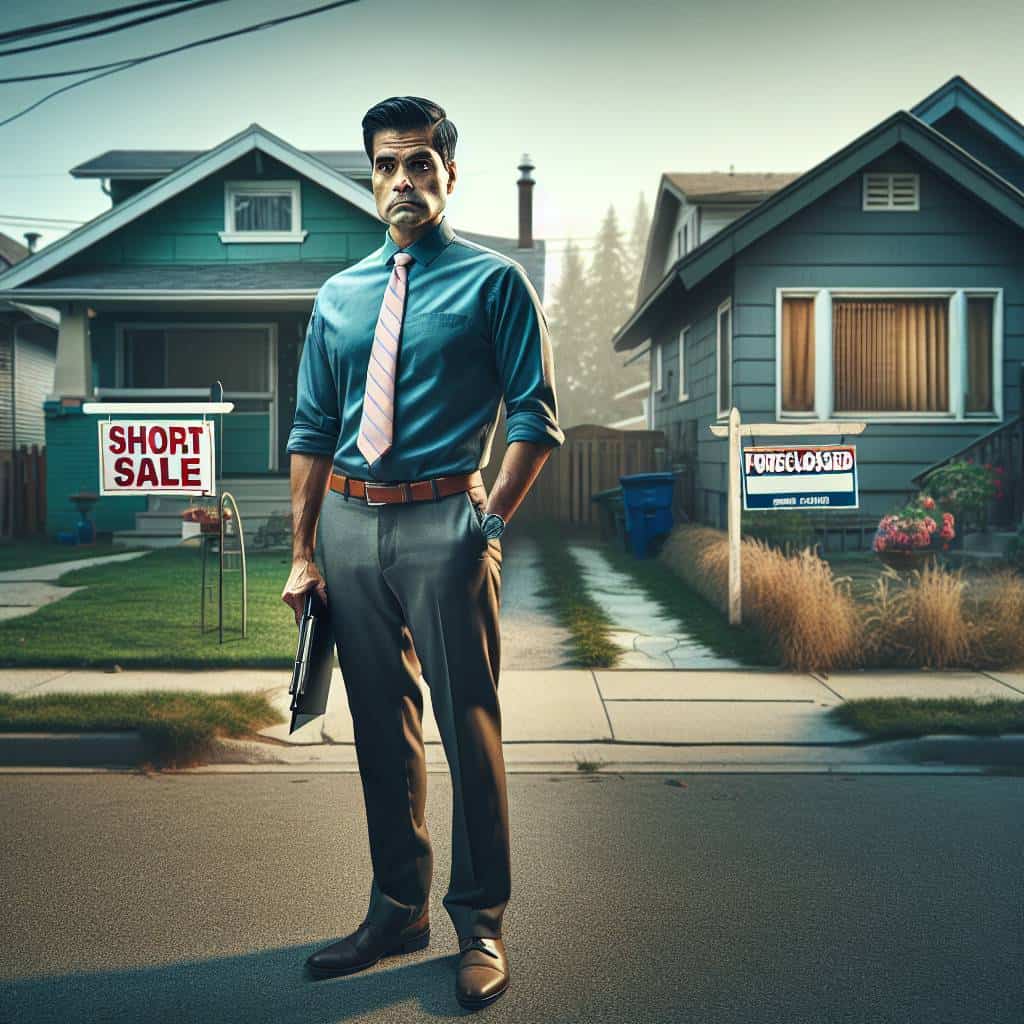
So, why should you care about my misadventures? Because I’m here to strip away the façade, the myths and fairy tales spun by those who’ve never faced the beast head-on. We’ll dive into the gritty details of buying bank-owned homes, the rollercoaster process, and the stark differences between short sales and foreclosures. Consider this your survival guide through the stormy seas of distressed properties. No sugarcoating, just the raw, unvarnished truth. Buckle up, because it’s going to be a bumpy ride.
Table of Contents
The Art of Buying a Distressed Dream: When Your House Owns the Bank
Ever wandered into the labyrinthine world of distressed properties, thinking you’ve struck gold with a bank-owned home? Well, buckle up, because the journey from aspiring homeowner to potential insanity is more like an extreme sport than a leisurely stroll through the park. When your house owns the bank, you’re diving headlong into a complex chess game where the stakes are high, and the rules are anything but straightforward.
In this arena, you’ve got two major players: short sales and foreclosures. Both promise the allure of a bargain, but here’s the kicker—they come with more strings attached than a marionette show. A short sale is like trying to thread a needle in a moving car. You’re negotiating with banks, sellers, and timelines that seem to defy the laws of physics. The seller’s lender calls the shots, and patience becomes your closest ally. On the flip side, foreclosures might seem like the path of least resistance. Wrong. You’re dealing with properties that have been through the financial wringer, often left neglected, waiting for someone brave—or foolish—enough to take on their baggage.
Here’s the unvarnished truth: buying distressed properties is not for the faint-hearted or the casual dabbler. It’s a high-stakes game where your sanity might hang in the balance. But, if you’ve got the grit, the tenacity, and a penchant for chaos, you might just emerge victorious, holding the keys to a once-distressed dream. Just remember, in this world, the bank doesn’t own you—you own the challenge.
The Cold Reality of Distressed Deals
Diving into short sales and foreclosures is like navigating a minefield of broken dreams and bank bureaucracy. It’s not for the faint-hearted investor.
The Distress of Ownership
Wading through the mire of short sales and foreclosures, I’ve come to realize that these transactions are less about the shiny allure of owning property and more about navigating the labyrinth of financial despair — both yours and the previous owner’s. The process isn’t just a hard sell; it’s a visceral confrontation with the gritty underbelly of real estate. Sure, there’s potential gold hidden in the rubble, but don’t kid yourself that it’s just a matter of signing on the dotted line.
In my journey, the stark differences between short sales and foreclosures have become like the stories of two tragic heroes. Both promise a new beginning yet hinge on the remnants of someone else’s broken dreams. And there’s something deeply unsettling about that. So, if you’re drawn into this world, don’t come expecting an easy ride on the coattails of someone else’s misfortune. Instead, recognize the weight of what it means to pick up the pieces and build anew. It’s a daunting task, but for those willing to brave the chaos, it’s a testament to resilience.