I remember the first time my smart home tried to help my dad. Picture this: a tech-savvy enthusiast like me, excitedly setting up voice commands and safety alerts, convinced I was handing him the keys to a safer, easier life. Yet, there we were, my dad yelling at the thermostat to set the temperature to a cozy 68, while the system decided 88 was the sweet spot. So instead of basking in the glow of technological triumph, we found ourselves sweating like characters in a summer blockbuster gone wrong. And let’s not even talk about the time the lights went off mid-shower, leaving him shouting profanities that could probably be heard in the next town over.
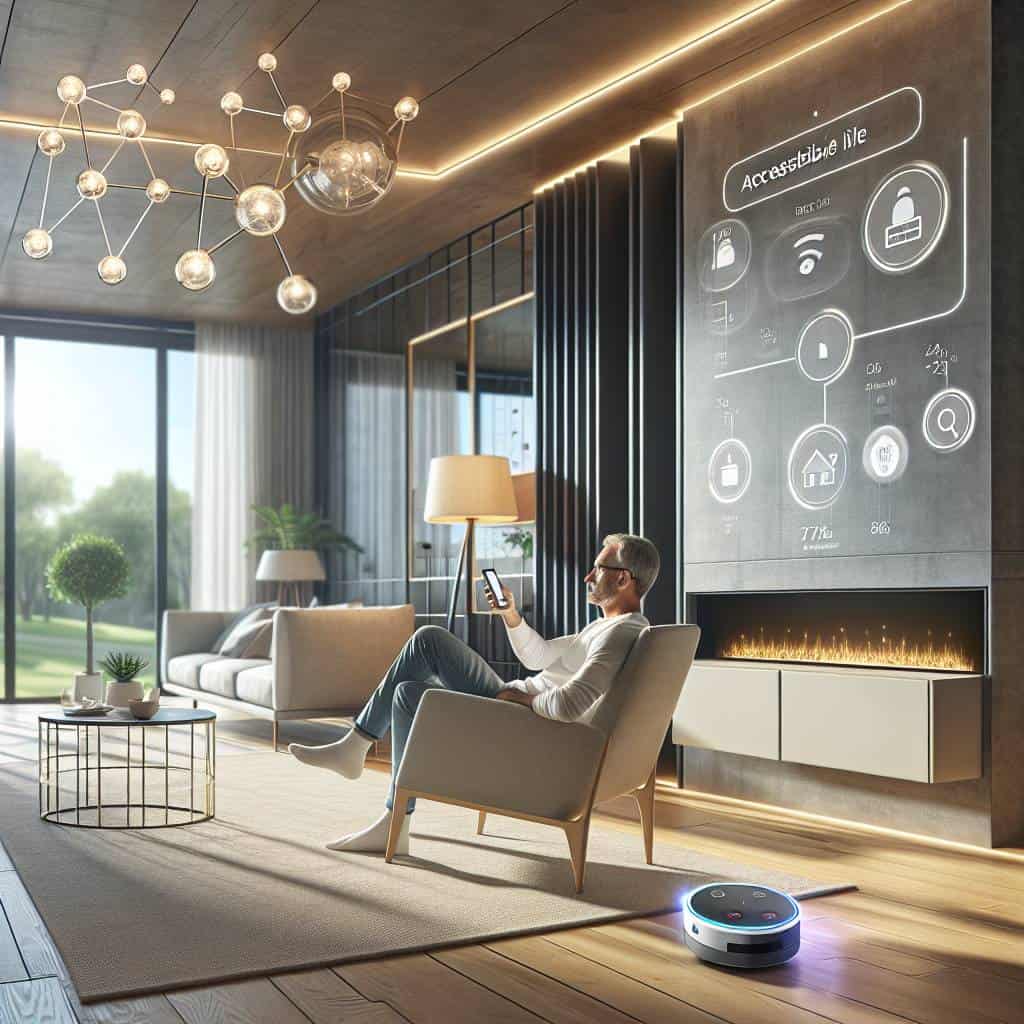
But here’s the kicker: despite these cybernetic hiccups, there’s a whole world of potential for smart homes to genuinely transform accessibility for the elderly. We’re diving into this maze of algorithms and gadgets, cutting through the marketing fluff to reveal how tech can actually make aging in place a reality—without the slapstick comedy. From voice-activated systems that actually listen, to safety alerts that do more than just ping your phone with false alarms, we’ll explore how to harness these digital tools for a future where the tech doesn’t just exist to confuse or amuse, but to truly serve.
Table of Contents
Alexa, Order Me More Years: Navigating Aging In Place With Tech
Picture this: my grandma, a feisty 82-year-old with the memory of an elephant and the tech skills of a millennial, navigating her home’s smart tech like a seasoned captain steering a ship. Alexa, her trusty digital companion, is more than just a voice-activated DJ. It’s her lifeline, making those stubborn years ahead a little less daunting. With a simple “Alexa, remind me to take my meds,” she’s got her own pocket-sized healthcare assistant. This isn’t just about convenience; it’s about transforming aging in place from a logistical nightmare into a seamless part of life’s narrative.
But let’s keep it real. Not every day is a smooth sail on this tech voyage. Sometimes, the smart home system has a mind of its own, mistaking my grandma’s request for a peaceful afternoon with Mozart for a drum and bass marathon. And sure, voice commands are the unsung heroes of accessibility—until they’re not. Imagine the chaos when a slip on the kitchen floor turns into a full-blown emergency, and Alexa decides it’s not worth the 911 call. The tech world promises safety alerts and elderly independence, yet the real adventure lies in the fine-tuning and patience these gadgets demand. As we navigate this digital labyrinth, it’s clear: we’re not just ordering more years; we’re crafting a future where tech knows when to step in and when to stand back, letting grandma’s wisdom shine.
The Unseen Guardian: Tech That Talks Back
In a world where tech listens more than it speaks, my grandma taught her smart home that safety is a dialogue, not just a monologue of commands.
When Tech Meets Humanity
Reflecting on this tangled web of circuits and commands, I see the potential for smart homes to be more than just a collection of gadgets. They’re a lifeline that can redefine what it means to age gracefully, surrounded by familiar walls that echo with the laughter of forgotten years. But let’s be real—this isn’t about relying on technology to replace human touch. It’s about crafting a partnership where tech becomes the silent guardian, always there but never intrusive, ready to step in when needed and fade into the background when not.
In the end, it’s a dance between the digital and the human, one that requires us to lead with empathy and adaptability. As we continue to navigate these waters, my hope is that we can embrace the imperfections of technology while holding onto the essence of what makes us human. Because at the heart of it all, it’s not just about staying connected to devices; it’s about staying connected to each other. And maybe, just maybe, tech can help us spin a tale where the elderly aren’t just surviving, but thriving in their own homes, with a little help from our silicon friends.