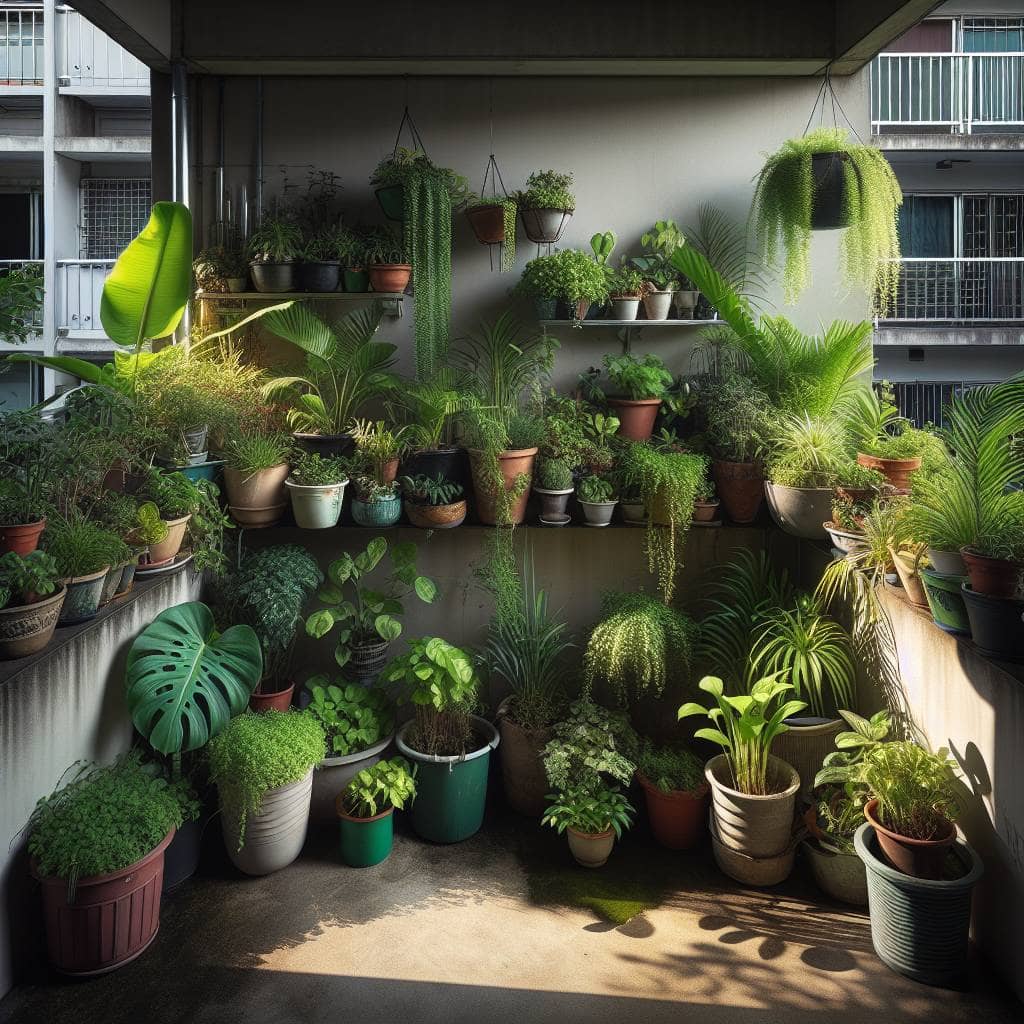
I once decided to embark on the noble quest of container gardening, armed with a mismatched collection of pots and an overinflated sense of confidence. Picture this: a suburban kid trying to escape the monotony of perfectly manicured lawns by nurturing a tiny jungle on a concrete balcony. Spoiler alert—it wasn’t exactly a masterpiece of verdant splendor. Instead, it was a chaotic mix of overwatered soil and sun-scorched leaves, a botanical tragedy in terracotta. But somewhere between the wilting basil and the stubbornly barren tomato plant, I found something oddly satisfying. It was the kind of mess that taught me more about growth, patience, and the art of letting go than any tidy plot ever could.
So, if you’re ready to dive into this imperfect world of container gardening, where every pot holds a lesson and every plant is a stubborn teacher, you’re in the right place. We’re going to explore everything from choosing the right potting mix that won’t betray you at the first sign of rain, to coaxing vegetables and herbs to thrive in unlikely spaces. Consider this your guide to gardening in miniature, without the sugar-coating. Let’s unravel the basics, unearth some truths, and maybe, just maybe, create a little slice of extraordinary on your balcony.
Table of Contents
The Balcony Jungle: How I Turned My Tiny Space into a Vegetable Utopia
I once looked out at my balcony and saw a bland slab of concrete laced with the dust of urban life. The kind of space that screams for a folding chair and a tepid cup of coffee. But I saw potential—a blank canvas begging for chaos and color. So, I decided to transform that bleak platform into a lush vegetable utopia. It wasn’t about nurturing a green thumb; it was about defying the expectations of what a tiny space could become. I gathered mismatched pots, a few stubborn seeds, and an audacious dream to create a jungle in the sky.
Potting was where the magic began. You might think that the pot is just a container. Wrong. It’s the cradle of life, the foundation of rebellion against the mundane. I selected pots not for their aesthetics, but for their promise of growth. Deep containers for carrots, shallow ones for herbs. Each choice was deliberate, each misstep a lesson in humility. The soil wasn’t just dirt; it was the lifeline, a curated blend of nutrients my plants would feast on. With each plant’s roots nestled in their new homes, my balcony started to buzz with a latent vitality.
And then came the plants themselves—vegetables that refused to be ordinary. Peppers that blazed with color, tomatoes that taunted the sun, and herbs that seemed to whisper culinary secrets in the breeze. Each plant had a personality, a will of its own. My balcony became a rendezvous of contradictions—sweet basil brushing elbows with fiery chilies. This wasn’t just a garden. It was a rebellion, a testament to what happens when you refuse to accept limitations. In this tiny space, I nurtured not just plants, but a philosophy: that even in the smallest of spaces, you can cultivate something extraordinary.
Rethinking Roots in Small Spaces
In the world of container gardening, every pot is a stage where vegetables and herbs perform their quiet rebellion against the constraints of space. It’s not about the size of your balcony, but the depth of your imagination.
From Dirt to Delight: My Balcony Epiphany
In the beginning, I was just a naive dreamer with a dusty balcony and a few cheap pots. I thought I could conquer the world, or at least a salad, with a handful of seeds and a bag of soil. But what I found was something far richer than any vegetable harvest. It was the thrill of watching life unfurl in the chaos of a concrete jungle, where a tomato’s stubborn insistence on surviving became my personal rebellion against the mundane.
Each plant, each pot, was a lesson in patience and a tribute to the beauty of imperfection. My balcony isn’t some polished magazine spread; it’s a living, breathing testament to resilience and creativity. The herbs might be scraggly, the veggies uneven, but they’re mine. And in their imperfection, they’ve taught me to love the process more than the product. So here’s to the humble, rebellious act of nurturing life—one pot, one seed, at a time.