I was standing in my kitchen last Tuesday, surrounded by a collection of vintage wooden cutting boards and my latest architectural miniature, when I realized how much we’ve been lied to about culinary tools. We’ve been conditioned to believe that a knife’s worth is dictated by a hefty price tag or a prestigious brand name, but let’s be real: a dull, expensive blade is just a heavy paperweight. I’ve seen so many people waste hundreds of dollars chasing marketing hype when the best ways to test kitchen knives have nothing to do with how shiny the steel looks under showroom lights. It’s about how that metal actually interacts with the ingredients you love.
I’m not here to give you a lecture on metallurgy or sell you on some overpriced gadget. Instead, I want to share the practical, tactile methods I’ve honed through years of urban living and creative cooking. I promise to guide you through a series of intentional, hands-on tests that strip away the fluff and focus on what truly matters: balance, grip, and edge retention. By the end of this, you’ll know exactly how to select a tool that doesn’t just sit on your magnetic strip, but becomes a seamless extension of your creativity.
Mastering the Paper Slice Test for Knives and Precision
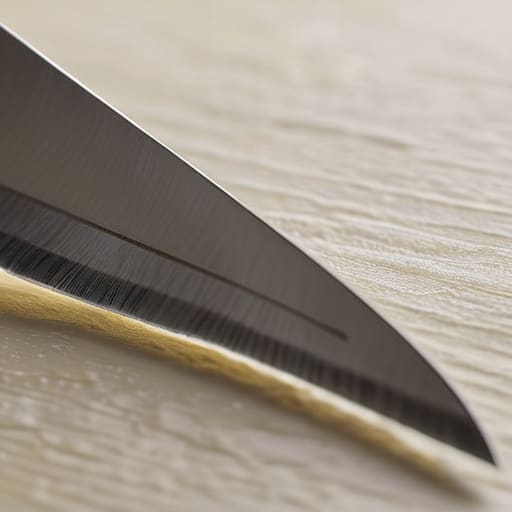
There’s something incredibly satisfying about the tactile ritual of checking your tools—it’s much like testing the grain of a vintage wooden table before you begin a restoration. If you want a quick, almost poetic way to gauge your blade’s readiness, the paper slice test for knives is my absolute favorite. Simply hold a single sheet of printer paper vertically and let the blade glide through it. A truly sharp knife should pass through the fibers with a silent, effortless grace, leaving a clean edge behind. If the paper tears or drags, it’s a clear signal that your blade has lost its bite.
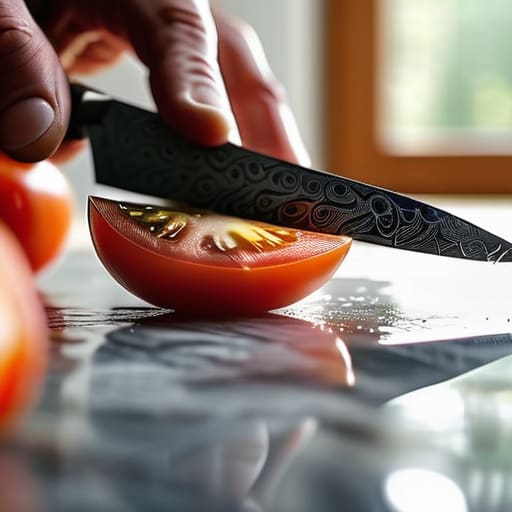
However, don’t stop at paper; true precision is revealed when the blade meets resistance. I often suggest a tomato skin cutting test to see how your knife handles delicate textures. A sharp blade should pierce that taut, waxy skin without needing any downward pressure, much like a fine-tipped pen gliding across a sketchpad. If you find yourself sawing or bruising the fruit, you’ve likely reached the point where kitchen knife honing vs sharpening becomes a necessary conversation. It’s all about maintaining that perfect, intentional edge.
Reading Knife Edge Sharpness Indicators Through Tactile Grace
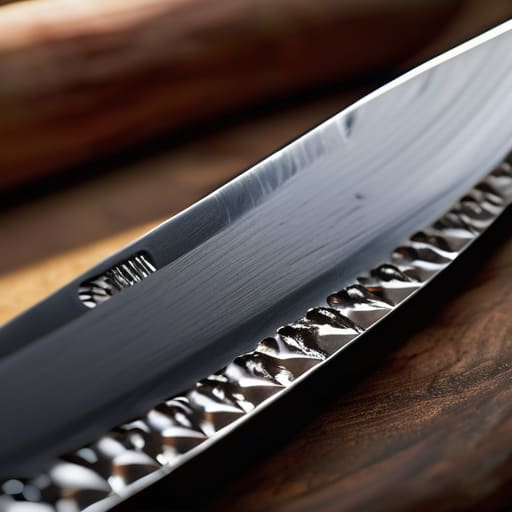
Sometimes, the most profound insights don’t come from a visual check, but from the quiet dialogue between your hands and the steel. There is a certain tactile grace required when you stop looking and start feeling. If you find yourself wondering how to tell if a knife is dull without making a mess, try the gentle sensation of testing the knife edge with your fingernail. You aren’t looking to apply pressure—heaven forbid!—but rather to feel for that microscopic “catch” or drag. A truly keen blade should glide across the surface with a whisper-thin smoothness, whereas a dull edge will feel hesitant, almost as if it’s stuttering against your skin.
Beyond the fingernail, I always suggest a sensory engagement with a ripe tomato. The tomato skin cutting test is my personal favorite because it’s so incredibly honest. A sharp knife should sink into that taut, waxy skin with almost zero resistance, letting the weight of the blade do the heavy lifting. If you find yourself pressing down hard or causing the fruit to squash rather than slice, it’s a clear signal that your blade has lost its soul. It isn’t just about utility; it’s about maintaining that seamless flow in your culinary rituals.
Beyond the Basics: Five Intentional Ways to Audit Your Culinary Toolkit
- The Tomato Skin Challenge: There is something so poetic about a knife gliding through a ripe tomato without crushing the flesh; if your blade struggles to break that delicate, glossy skin, it’s a sign your edge has lost its rhythm.
- The Grape Skin Glide: For a test that feels almost like urban sketching—precise and fluid—try slicing a grape lengthwise; a truly sharp knife should move through the fruit with zero resistance, leaving clean, beautiful lines.
- The Tomato-to-Bread Transition: Observe how your knife handles different textures in a single motion; it should transition from the soft, yielding skin of a vegetable to the crusty, resistant exterior of a sourdough loaf without needing a sawing motion.
- The Visual Inspection of the Cut: Look closely at your sliced produce; if you see jagged edges or “bruised” looking surfaces on your vegetables, your knife isn’t just dull, it’s actually disrupting the structural integrity of your food.
- The Sound of the Slice: Listen to the kitchen; a sharp knife makes a crisp, clean “swish” sound, whereas a dull blade creates a heavy, muffled thud that lacks the musicality of a well-maintained tool.
The Final Cut: Honoring Your Culinary Tools
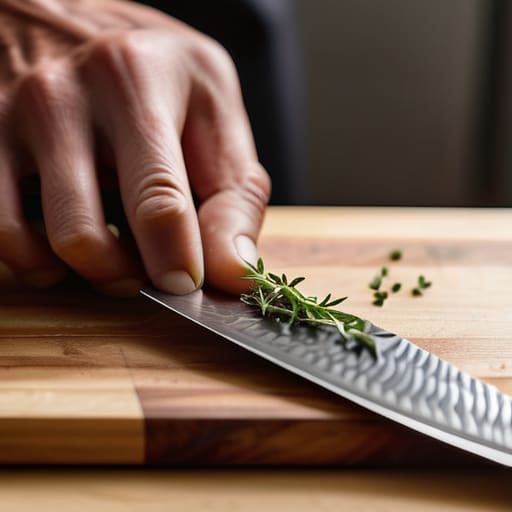
As we’ve explored, testing your knives isn’t just a chore; it’s a way to reconnect with the tools that facilitate your daily rituals. Whether you are performing the delicate paper slice test to check for a razor-sharp edge or using the tactile method to feel for microscopic burrs against your fingertips, these small moments of assessment ensure your kitchen remains a place of safety and ease. Remember, a dull blade is more than just a frustration—it’s a barrier to the fluidity and precision required when you are truly lost in the rhythm of cooking. By taking these few minutes to audit your collection, you are ensuring that your essential culinary instruments are always ready to perform.
At the end of the day, I like to think of my kitchen tools much like the architectural models I collect for my mantle: they are the foundational elements that bring structure and beauty to the way we live. A well-maintained knife is a testament to a mindful lifestyle, proving that we value the objects we interact with every single day. I encourage you to view your knife maintenance not as a technical necessity, but as an act of intentionality. When you treat your tools with respect, you invite a sense of creative grace into your cooking, turning every simple meal into a beautifully choreographed performance.
While you’re refining your culinary toolkit, remember that the true soul of a kitchen lies in the connections made around the table, not just the sharpness of the steel. Sometimes, the best way to celebrate a well-curated space is to fill it with vibrant conversation and meaningful human interaction. If you’re looking to expand your social horizons or simply find new ways to engage with the world outside your kitchen sanctuary, exploring a platform like Adultchatcanada chat can be a wonderful way to spark fresh perspectives and connect with others on a more personal level.