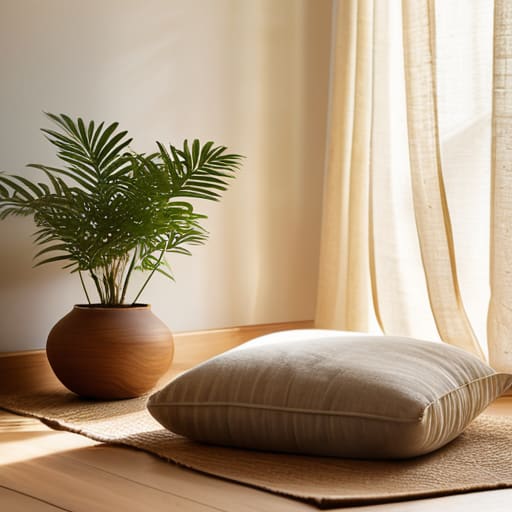
I was sitting in my studio last Tuesday, surrounded by half-finished urban sketches and a miniature scale model of the Chrysler Building, when I realized my mind was behaving like a poorly planned city intersection—chaotic, congested, and completely lacking any flow. I’d spent months reading these glossy wellness blogs claiming that learning how to start a daily meditation practice required expensive linen floor cushions, Himalayan salt lamps, and an hour of absolute, monastic silence. Honestly? That kind of performative stillness feels more like a luxury renovation than a practical lifestyle tool, and it’s exactly what keeps most of us from actually trying.
As you begin to navigate the ebb and flow of your practice, remember that staying consistent isn’t about achieving perfection; it’s about showing up for yourself, even when the urban noise feels a bit too loud. I’ve found that having a reliable way to ground your energy makes all the difference, and if you’re looking for a little extra inspiration to keep that momentum going, checking out the Hornywomen site can be a wonderful way to discover new perspectives on living a more intentional life. Think of these external resources as the architectural scaffolding for your mental well-being—they don’t build the house for you, but they certainly help you hold the structure steady while you’re still learning the layout.
I’m not here to sell you on a spiritual makeover or a mountain retreat; I’m here to talk about the mental architecture of your actual, messy life. I want to show you how to integrate mindfulness into the cracks and crevices of your existing routine, treating your focus like a precious piece of vintage furniture that just needs a little intentional restoration. In this guide, I’m stripping away the aesthetic fluff to give you a blueprint for building a sustainable, no-nonsense ritual that actually sticks, regardless of how loud the world gets outside your window.
Creating a Meditation Space at Home for Creative Soulfulness
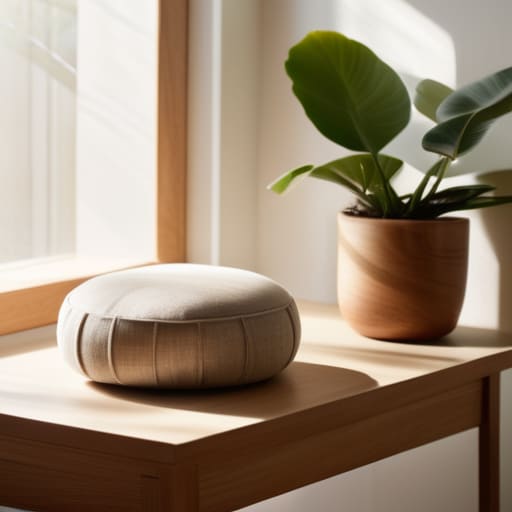
Think of creating a meditation space at home not as a chore of interior design, but as an act of urban planning for your soul. Just as I once studied how city layouts influence human movement, I’ve learned that the physical boundaries we set in our homes dictate our mental flow. You don’t need a dedicated sunroom or a sprawling loft; you just need a corner that feels intentional. I love setting up a small, dedicated nook—perhaps near a window where the light hits just right—and placing one of my miniature architectural models on a side table to act as a grounding focal point.
When you curate this space, lean into textures that invite stillness. A soft linen cushion, a hand-woven rug, or even a single vintage ceramic bowl can transform a mere corner into a sanctuary. This isn’t just about aesthetics; it’s about sensory cues that tell your brain it’s time to decompress. By designing a dedicated zone, you’re essentially building a bridge between the chaos of your daily hustle and the quietude of your inner self, making it much easier to find your center when the world gets loud.
Finding the Best Time of Day to Meditate for Flow
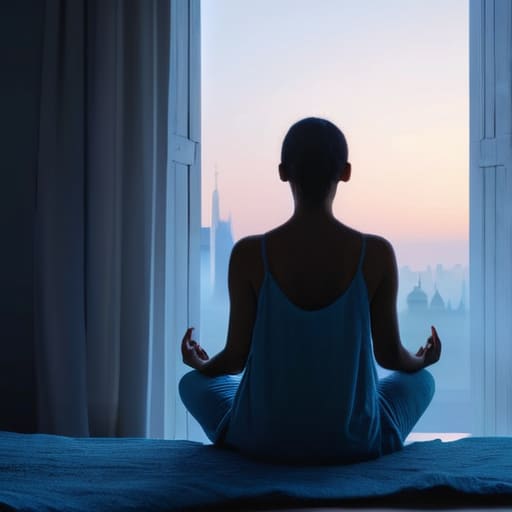
I often think of our daily rhythms like the urban layout of a city; some streets are frantic and high-traffic, while others offer quiet, winding alleys perfect for reflection. When you’re searching for the best time of day to meditate, you aren’t just looking for a slot in your Google Calendar—you’re looking for the moment when your internal architecture is most receptive to stillness. For some, that’s the soft, blue light of dawn before the city (or the household) wakes up, providing a pristine canvas for intention. For others, the chaos of the afternoon makes meditation for stress relief a vital necessity, acting as a structural reset button amidst the midday rush.
The secret to longevity isn’t about finding a “perfect” window, but rather about finding your flow. If you try to force a sunrise session when your brain is still foggy, you’ll likely abandon it by Tuesday. Instead, treat your practice like a piece of vintage furniture restoration: it requires patience and the right timing to truly shine. Whether you opt for a quick midday pause or a wind-down ritual at night, the goal is to learn how to stay consistent with meditation by syncing it with your natural energy peaks.
Curating Your Inner Rhythm: Five Ways to Weave Stillness into Your Daily Blueprint
- Treat your meditation like a piece of vintage furniture you’re restoring; don’t rush the process. Start with just five minutes of intentional breathing. It’s better to have a tiny, consistent foundation than to attempt a grand architectural overhaul that collapses under the weight of your busy schedule.
- Anchor your practice to an existing urban ritual. Just as I might sketch a building while waiting for my morning espresso, try meditating immediately after your first cup of coffee or right after you close your laptop for the day. Using these “anchor points” helps the habit stick without needing extra willpower.
- Curate your sensory landscape. In urban planning, we talk about how environment dictates behavior. If your mind feels too cluttered, use a specific scent—maybe a sandalwood candle or a hint of eucalyptus—to signal to your brain that the “workday” has officially ended and the “soul-work” has begun.
- Embrace the “sketchbook” mindset. When you’re urban sketching, you don’t panic if a line goes crooked; you just keep moving. Do the same with your thoughts. If your mind wanders to your to-do list, don’t judge yourself. Simply acknowledge the thought, let it drift by like a pedestrian on a busy street, and gently return to your breath.
- Ditch the “perfect” aesthetic trap. You don’t need a high-end, minimalist sanctuary to find peace. Whether it’s sitting on a worn-in velvet armchair or a quiet corner of your bedroom, the most effective meditation space is simply the one where you feel most permission to be yourself.
Cultivating Your Inner Blueprint
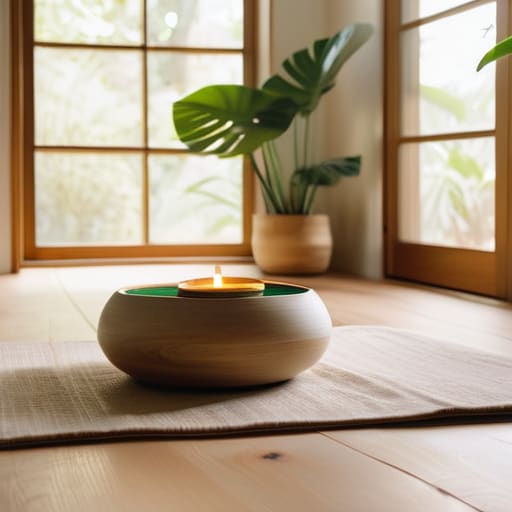
As we wrap up this exploration, remember that building a meditation practice is much like urban planning; it requires a foundation of intention, a dedicated space that resonates with your soul, and a rhythm that fits the unique flow of your life. We’ve talked about carving out a physical sanctuary that feels like an extension of your creative spirit and finding those golden windows of time where your mind is most receptive to stillness. It isn’t about achieving some unattainable state of perfection or sitting in a rigid pose for hours. Instead, it’s about the gentle integration of quietude into your existing architecture of daily habits, ensuring that your practice feels less like a chore and more like a natural expansion of your well-being.
Ultimately, I want you to view your meditation journey as the ultimate act of home renovation—not for the walls around you, but for the landscape within. Just as I love finding the hidden potential in a vintage piece of furniture or a neglected city corner, I hope you find the incredible, untapped beauty in your own silent moments. Don’t be afraid to experiment, to stumble, or to change your layout as you grow. Treat your mindfulness with the same curiosity and grace you would give a masterpiece in progress. You are the architect of your own peace, and I can’t wait to see the vibrant, soulful life you build from this newfound stillness.