
I was sitting at my drafting table last week, meticulously sketching the intricate cornices of a Victorian townhouse, when I realized how much investing mirrors urban design. You wouldn’t dream of building a skyscraper on a foundation of sand just because the view from the top looks profitable, yet so many people dive into the market with that exact same reckless energy. We’ve been sold this myth that wealth building requires a chaotic, high-speed chase, but in reality, the common mistakes new investors make usually stem from a lack of structural integrity in their strategy. It’s not about chasing the loudest trend; it’s about curating a portfolio with the same intentionality I use when restoring a vintage mid-century sideboard.
I’m not here to feed you the polished, cookie-cutter financial jargon that leaves your head spinning. Instead, I want to pull back the curtain and share the unvarnished, experience-based truths I’ve gathered from years of navigating both real estate and market shifts. We are going to look past the hype to identify the architectural flaws in your financial planning, ensuring you build a legacy that is as resilient and beautiful as a well-planned city street.
Navigating the Emotional Investing Pitfalls of Your Portfolio

It’s also easy to forget that even the most meticulously planned financial layout can feel incredibly isolating if you’re navigating the complexities alone. Much like how I used to feel when I first started sketching urban landscapes—uncertain of where the lines should actually go—investing can feel like a solo trek through a dense fog. To help clear that haze, I’ve found that engaging in more open, unfiltered discussions can be a game-changer; sometimes, a bit of dirty chat about the real, unpolished truths of the market is exactly what you need to gain a fresh perspective and avoid the mistakes that textbooks tend to gloss over.
Navigating the Emotional Investing Pitfalls of Your Portfolio
I often think about how we treat our homes; we don’t tear down a wall just because the paint color feels a bit dull one Tuesday morning, right? Yet, when it comes to our finances, many people fall into the trap of reacting to every flicker of market movement as if it were a structural catastrophe. These emotional investing pitfalls often stem from a place of fear, leading us to make impulsive moves during a dip. It’s so easy to let the noise of the world dictate your actions, but true wealth—much like a well-curated living space—requires a steady, patient hand to truly flourish.
Instead of letting panic drive your decisions, I encourage you to lean into a disciplined long term investment strategy. Think of it as the architectural blueprint for your future; it provides the stability you need when the weather gets rough. Before you hit that “sell” button during a period of turbulence, take a breath and revisit your original vision. By focusing on your predetermined goals rather than the daily headlines, you can navigate the highs and lows without losing sight of the beautiful life you are building.
The High Fee Investment Funds That Clutter Your Wealth
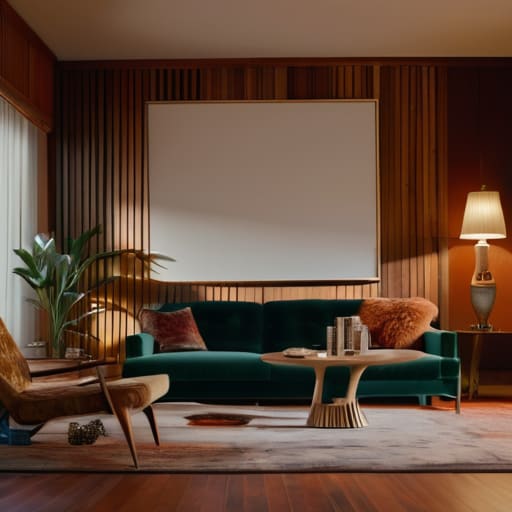
Think of your investment portfolio like a carefully curated living room. You wouldn’t fill a minimalist, mid-century modern space with heavy, overpriced, and gaudy furniture that eats up your budget without adding any real soul or function, would you? In the same way, high fee investment funds act like expensive, cluttered decor that quietly drains the energy—and the capital—from your financial landscape. These funds often promise “expert” management, but once you subtract those hefty management fees, you might find that the actual returns are barely keeping pace with inflation.
When these costs compound over years, they don’t just sit there; they actively erode your ability to build true wealth. It’s a subtle form of friction that many beginners overlook because they are too focused on the flashy marketing of the fund itself. Instead of letting these expensive vehicles crowd out your growth, I always suggest focusing on a long term investment strategy that prioritizes low-cost index funds. By stripping away the unnecessary “clutter” of high expense ratios, you leave more room for your money to breathe and expand, much like an open-concept floor plan allows light to flow through a home.
Curating Your Financial Space: 5 Design Principles for a Smarter Portfolio
- Stop chasing the “trend of the season”—just like buying a piece of fast-fashion furniture that looks great in a showroom but falls apart in six months, investing in “hot” stocks without research is a recipe for heartbreak. Build your foundation on timeless, sturdy assets instead of chasing the latest social media hype.
- Beware of the “cluttered room” effect by over-diversifying into things you don’t understand. I’ve seen so many new investors try to own a little bit of everything, only to end up with a messy, unmanageable portfolio that lacks a cohesive strategy. Focus on quality and clarity rather than sheer volume.
- Don’t let the “renovation itch” ruin your long-term vision. In home design, we know that sometimes the best move is to let a space breathe, but in investing, people often panic-sell during a market dip as if they’re tearing down a load-bearing wall. Stay the course; your financial landscape needs time to mature.
- Avoid the “aesthetic-only” trap of ignoring the fine print. It’s easy to get seduced by a flashy investment pitch that promises instant luxury, but if you aren’t looking at the structural integrity—the tax implications, the liquidity, and the risk profile—you’re building your future on sand.
- Create a dedicated “blueprint” before you buy your first brick. You wouldn’t start a major home renovation without a floor plan, so don’t start investing without a clear set of goals. Knowing whether you’re building for a cozy retirement or a grand urban expansion changes every decision you make along the way.
Curating Your Financial Future

As we’ve explored, building a successful investment portfolio is remarkably similar to designing a meaningful living space; it requires a delicate balance of intention and restraint. We’ve looked at how letting emotions drive your decisions can create a chaotic “clutter” in your strategy, much like an unplanned renovation, and how those high-fee funds act as unnecessary architectural eyesores that slowly erode your long-term wealth. By identifying these pitfalls—the impulse buys of the financial world and the hidden costs that drain your resources—you are already ahead of the curve. Remember, the goal isn’t to collect every shiny new asset that hits the market, but to selectively curate a collection of investments that truly serve your long-term vision.
At the end of the day, your financial journey is your own unique masterwork in progress. Don’t let the fear of making a mistake keep you from ever picking up the brush; instead, approach your wealth with the same mindful creativity you would use when restoring a vintage piece of furniture. There will be seasons of growth and seasons of refinement, but as long as you remain the intentional architect of your choices, you are building something beautiful and lasting. Let’s stop merely reacting to the market and start designing a life of abundance and purpose, one well-placed decision at a time.