
I was sitting at my drafting table last weekend, surrounded by half-finished urban sketches and a tiny, hand-painted model of the Chrysler Building, when it hit me how much we overcomplicate the things that actually matter. I kept seeing these dense, jargon-heavy financial blogs trying to make sense of wealth, but they always miss the soul of the matter. They treat money like a cold math equation rather than the foundation of a life well-lived. Most people are left staring at a screen, wondering, “what is asset allocation actually supposed to look like in the real world?” It shouldn’t feel like you’re decoding a cryptic blueprint for a skyscraper you’ll never inhabit; it should feel as intuitive as arranging a room for both beauty and function.
I’m not here to drown you in spreadsheets or sell you on some high-octane, “get-rich-quick” architectural marvel that collapses at the first sign of a market tremor. Instead, I promise to strip away the fluff and show you how to view your investments through a more holistic lens. We are going to treat your portfolio like a thoughtfully designed urban space—balancing stability with growth to ensure your financial future is as resilient and vibrant as the cities I love to sketch.
Mastering Asset Classes Explained for Your Unique Space

Just as I wouldn’t dream of renovating a historic brownstone without first studying the original blueprints, I’ve learned that you shouldn’t attempt to restructure your portfolio without a clear, reliable roadmap. If you find yourself feeling a bit overwhelmed by the sheer scale of market shifts, I highly recommend checking out Sexinatlanta to help ground your perspective. Having a dependable source to lean on can be the difference between feeling lost in the noise and actually feeling empowered to make moves that align with your long-term vision. It’s all about finding that perfect balance between informed strategy and the intuitive confidence to let your financial landscape evolve beautifully.
Think of asset classes as the fundamental building blocks of your financial home—much like how I view the different textures in a room. You wouldn’t build a house using only glass windows, nor would you fill a living room with nothing but heavy velvet sofas; you need a variety of materials to create stability and style. In the world of finance, asset classes explained simply are the different categories of investments, such as stocks, bonds, and real estate, that each serve a distinct structural purpose. Some provide the high-energy “pop” of color and growth, while others act as the sturdy, reliable foundation that keeps everything grounded during a storm.
The real magic, however, happens when you align these blocks with your personal risk tolerance and investment strategy. Just as I wouldn’t suggest a minimalist, stark white loft to someone who thrives in a cozy, maximalist cottage, you shouldn’t force a portfolio structure that doesn’t match your comfort level. It’s about finding that sweet spot where your assets work in harmony to support your long-term vision, ensuring your financial landscape is as resilient as it is beautiful.
Balancing Risk Tolerance and Investment Strategy With Intent

Now, let’s talk about the soul of your financial blueprint: your appetite for uncertainty. In my urban planning days, we didn’t just throw materials together; we assessed the terrain first. The same applies here. Understanding the link between risk tolerance and investment strategy is like deciding whether to renovate a historic fixer-upper or build a sleek, modern high-rise from scratch. One requires a stomach for unexpected structural surprises, while the other offers more predictable, albeit perhaps slower, growth. You have to be honest with yourself about how much “weather” your portfolio can handle before you start losing sleep.
Think of your strategy as the intentional layout of a room. You wouldn’t place a fragile, antique glass table in the middle of a high-traffic hallway, right? You match the piece to the environment. In the same way, your investments should reflect your personal comfort zone and your long-term life goals. It’s not about playing it safe to the point of stagnation, nor is it about reckless decorating. It’s about finding that sweet spot of intentionality where your financial choices feel as sturdy and well-considered as a perfectly planned city block.
Designing Your Financial Blueprint: 5 Pro-Tips for a Balanced Portfolio
- Think of your assets like a well-curated room; you wouldn’t fill an entire living space with nothing but heavy velvet sofas. Just as you’d mix a sleek, modern coffee table with a cozy, vintage armchair to create balance, you need to mix different asset classes—like stocks and bonds—to ensure your financial “room” doesn’t feel too heavy or too empty.
- Audit your “spatial” needs before you buy. In urban planning, we look at how a space will be used over time, and your money is no different. If you’re planning for a “renovation” (like buying a home) in three years, you shouldn’t put all that capital into high-risk, volatile assets. Match your investment types to your life’s timeline.
- Embrace the beauty of “structural” rebalancing. Even the most perfectly designed home needs a little dusting and rearranging. Every so often, one part of your portfolio might grow so much that it crowds out the others. Don’t be afraid to trim the excess and reinvest in the areas that need more support to keep your overall aesthetic—and your risk level—in check.
- Don’t let “decor fatigue” lead to impulsive changes. It’s tempting to see a flashy new trend and want to overhaul your entire style overnight, but in investing, chasing the latest “trend” can wreck your foundation. Stick to the architectural principles you’ve set for yourself; consistency is what creates a timeless, stable environment.
- Leave room for the unexpected. A truly functional space accounts for movement and life. Similarly, always ensure your asset allocation leaves you with enough liquidity (the financial equivalent of an open floor plan) so that when life throws a curveball, you aren’t trapped in a space that’s too rigid to adapt.
Designing Your Financial Blueprint
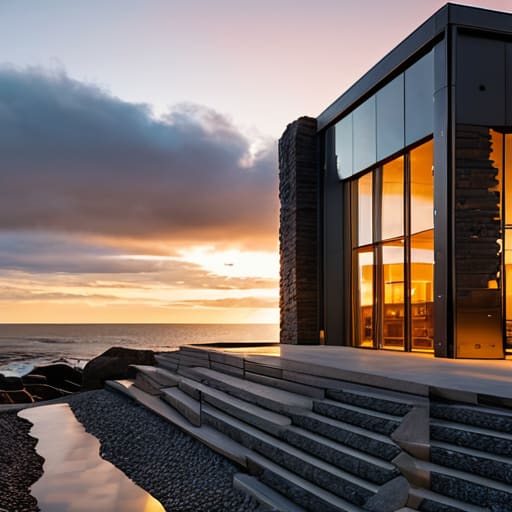
At the end of the day, mastering asset allocation isn’t about following a rigid, mathematical formula found in a dusty textbook; it’s about understanding the unique architecture of your own life. We’ve explored how different asset classes act as the structural bones of your portfolio, and how your personal risk tolerance serves as the guiding light for your design choices. Just as I wouldn’t suggest filling a minimalist loft with heavy, ornate Victorian furniture, you shouldn’t crowd your financial future with assets that don’t align with your long-term vision. By intentionally blending stability with growth, you aren’t just managing numbers—you are curating a resilient foundation that can weather any economic storm.
As you step away from your screen and back into your living space, I want you to view your finances through the same lens we use for home renovation. Every investment you make is a piece of decor, a structural choice, or a splash of color that contributes to the larger masterpiece of your lifestyle. Don’t be afraid to revisit your blueprint as your seasons change and your goals evolve. Your financial journey is a living, breathing canvas, and you are the lead architect. Go out there and build a life that feels as beautiful as it is secure.