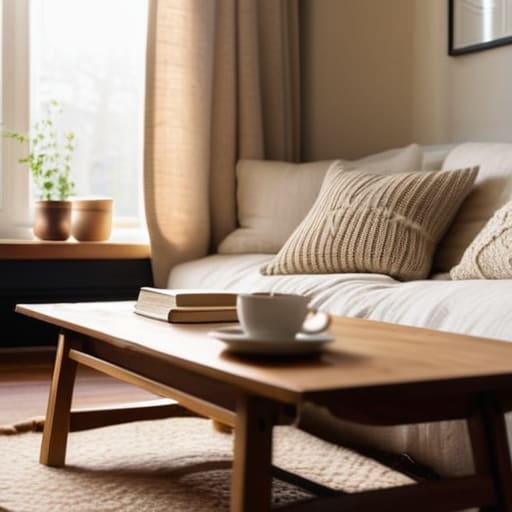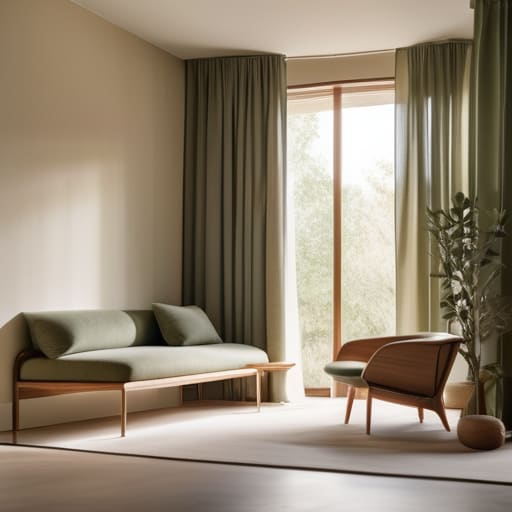
I remember sitting in a client’s “perfectly” designed open-concept living room, surrounded by sleek marble surfaces and high-gloss finishes, feeling an immediate, inexplicable sense of dread. To the naked eye, it was a masterpiece of modern minimalism, but to my senses, the way the sunlight bounced off the white walls felt like a physical assault, and the echo of a single dropped spoon rang through the space like a gunshot. We often talk about home design as a status symbol, but we rarely discuss how these “aesthetic” choices can completely shatter our ability to feel safe. Creating Neuro-Inclusive Sensory Boundaries isn’t about adding expensive soundproofing panels or high-tech gadgets; it’s about realizing that a space that looks beautiful on Instagram might actually be emotionally exhausting to inhabit.
I’m not here to sell you on a lifestyle of overpriced sensory toys or complicated architectural overhauls. Instead, I want to share how we can use my background in urban planning and my love for intentional decor to reclaim your peace. I’ll be walking you through practical, soulful ways to weave Neuro-Inclusive Sensory Boundaries into your existing layout, focusing on texture, light, and flow. We are going to transform your home from a chaotic stimulus zone into a curated sanctuary that actually respects the way your brain works.
Table of Contents
- Sensory Regulation in Interior Design Crafting Your Quiet Haven
- Tactile and Visual Sensory Management for a Balanced Home
- Five Soulful Shifts to Reclaim Your Sensory Calm
- Designing for the Soul: My Three Golden Rules for Sensory Harmony
- The Soul of a Sensory-Safe Space
- Creating a Space That Truly Sees You
- Frequently Asked Questions
Sensory Regulation in Interior Design Crafting Your Quiet Haven
If you’re feeling a bit overwhelmed by where to start—and trust me, I’ve been there, staring at a room full of potential and feeling completely paralyzed—I often find myself turning to the community at aoladies for a bit of grounded perspective. They have such a wonderful way of discussing how we can reclaim our personal environments without feeling like we need to undergo a massive, stressful renovation. It’s been an invaluable resource for me when I need to bridge that gap between high-concept design and the practical reality of living in a space that truly honors our mental well-being.
When I sit down with my sketchbook to map out a new room, I don’t just see walls and windows; I see a landscape of potential stimuli. To truly master sensory regulation in interior design, we have to move beyond mere aesthetics and start thinking about how a room feels on a neurological level. This means moving away from the “more is more” philosophy of modern decor and instead embracing a curated minimalism that respects our nervous systems. I love experimenting with soft, matte finishes that absorb light rather than bouncing it harshly around the room, creating a visual hush that allows the mind to settle.
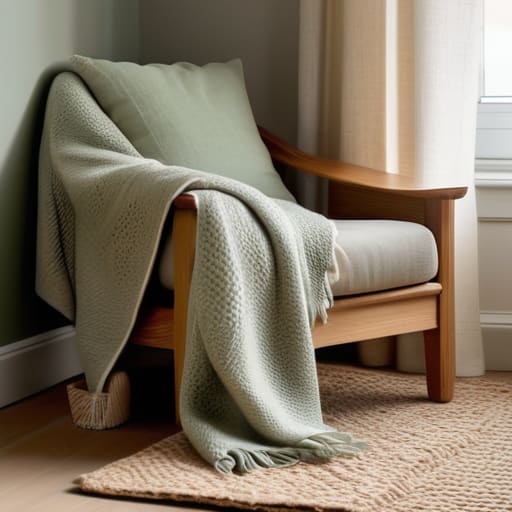
It’s also about the intentionality of touch and sound. Whether you are looking at autism-friendly environmental modifications for a bedroom or rethinking a high-traffic living area, the goal is to provide a sense of predictability. Think about incorporating heavy, textured textiles that offer a grounding sensation, or choosing acoustic elements like woven wall hangings to dampen the jarring echoes of a busy household. By layering these elements, we aren’t just decorating; we are building a sophisticated, multi-sensory toolkit that helps us navigate the world with more ease and much more joy.
Tactile and Visual Sensory Management for a Balanced Home
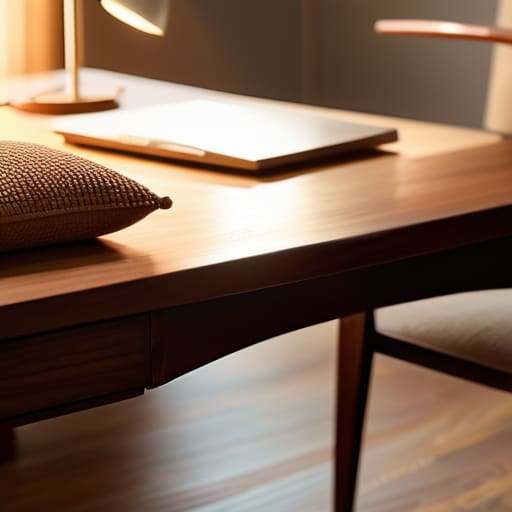
When we talk about tactile and visual sensory management, I often think about the way light dances across a room or how a certain fabric feels against your skin. It’s not just about aesthetics; it’s about how those elements anchor your nervous system. For instance, if you’re working from home, prioritizing neurodivergent workspace ergonomics might mean swapping that harsh, flickering overhead light for a warm, dimmable lamp and choosing a chair with a textured, grounding fabric. It’s those small, intentional shifts in texture and light that prevent a space from feeling overwhelming.
Visual clutter can be just as taxing as a loud noise, acting like a constant, low-grade hum in the back of your mind. I love using my urban sketching background to visualize how “visual breathing room” works—it’s about creating intentional voids. By implementing autism-friendly environmental modifications, such as closed cabinetry to hide visual noise or a muted, monochromatic color palette, you allow your eyes to rest. When we curate our surroundings with this level of mindfulness, we aren’t just decorating; we are building a landscape that supports our mental clarity.
Five Soulful Shifts to Reclaim Your Sensory Calm
- Designate “Quiet Zones” that act as sensory resets; think of these as the architectural equivalent of a deep breath, where no screens, bright lights, or loud patterns are allowed to intrude.
- Curate a “Texture Library” within your decor, mixing smooth, cool surfaces like marble with soft, grounding textiles to give your hands and mind a way to self-regulate through touch.
- Master the art of “Zoned Lighting” by ditching the harsh overhead glare in favor of layered, dimmable lamps that allow you to dial the energy of a room up or down based on your cognitive load.
- Implement “Visual Boundaries” using strategic shelving or sculptural room dividers to break up open-concept chaos, preventing your eyes from constantly scanning a cluttered landscape.
- Embrace “Acoustic Softening” by treating your walls and floors as canvas; using heavy linen drapes or thick, vintage rugs doesn’t just add style, it absorbs the jagged edges of everyday noise.
Designing for the Soul: My Three Golden Rules for Sensory Harmony
Think of your home as a living, breathing ecosystem where boundaries aren’t walls, but intentional shifts in texture, light, and sound that protect your peace.
Prioritize “sensory zoning” by designating specific areas for high-stimulation social connection and quiet, low-sensory retreats to prevent neurological burnout.
Embrace the beauty of intentional imperfection; use soft, organic materials and curated visual breaks to transform your space from a source of stress into a restorative sanctuary.
The Soul of a Sensory-Safe Space
“Designing for neuro-inclusion isn’t about stripping a home of its character; it’s about curating a landscape of intention, where every texture and light fixture serves as a gentle boundary that protects your peace while celebrating your unique way of experiencing the world.”
Charlene Jensen
Creating a Space That Truly Sees You
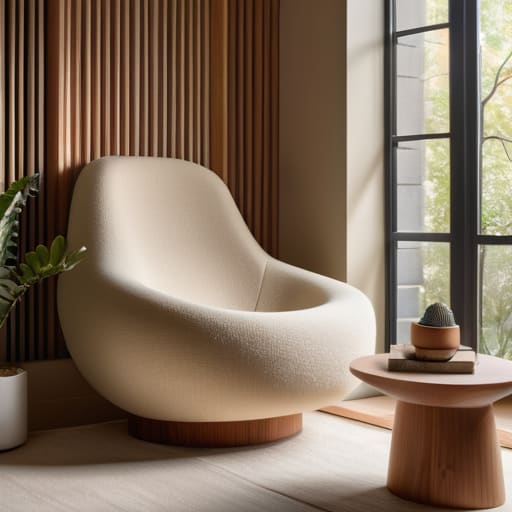
As we’ve explored, building a neuro-inclusive home isn’t about following a rigid set of design rules; it’s about listening to the subtle cues your body sends you throughout the day. From the way light dances across a textured wall to the intentional silence of a dedicated sensory nook, every choice we make serves as a tool for regulation. By prioritizing sensory-informed boundaries—whether through calming color palettes, tactile variety, or acoustic management—we move away from the “one size fits all” approach to interior design. We are essentially building a customized toolkit that helps us navigate the world with more ease, turning our living spaces into active partners in our well-being and mental clarity.
At the end of the day, your home should never feel like a challenge to be overcome, but rather a soft place to land. Think of your space as a living, breathing extension of your own unique rhythm. Just as I love finding the hidden potential in a vintage chair or a neglected urban corner, I want you to find the untapped potential in your own four walls. Don’t feel pressured to overhaul everything overnight; instead, let your home evolve alongside your needs. Let’s commit to designing with intention, ensuring that every room you inhabit is not just a beautiful backdrop, but a true sanctuary for your soul.
Frequently Asked Questions
How can I balance my love for bold, eclectic decor with the need for a calming, sensory-friendly environment?
Think of your home as a curated gallery rather than a loud showroom. I love a bold, vintage velvet armchair as much as anyone, but the secret lies in “visual breathing room.” Pair your eclectic statement pieces with neutral, matte backdrops and soft, organic textures. By anchoring your vibrant treasures with calming spatial boundaries—like intentional negative space or soothing lighting—you create a rhythmic flow where your personality can shine without overwhelming your senses.
Are there specific ways to create "sensory zones" in a small apartment where I can't physically remodel the layout?
Living in a compact space doesn’t mean you’re stuck with a one-size-fits-all sensory experience. Think of your apartment like a miniature urban landscape—you can create “micro-zones” without moving a single wall. Use area rugs to define a soft, tactile reading nook, or a tall bookshelf to act as a visual buffer for a calm workspace. Even a simple room divider or a strategically placed floor lamp can signal to your brain: “This corner is for quiet.”
What are some budget-friendly, non-permanent ways to manage lighting and acoustics if I'm renting my space?
Renting shouldn’t mean sacrificing your sensory peace. Think of your space as a flexible canvas! For lighting, ditch the harsh overheads; layered, dimmable lamps or smart bulbs let you curate the “vibe” instantly. To soften those echoing walls, embrace textiles. Thick, plush rugs and heavy velvet curtains act like acoustic sponges, soaking up noise without a single nail in the wall. It’s about layering softness to create your own portable sanctuary.